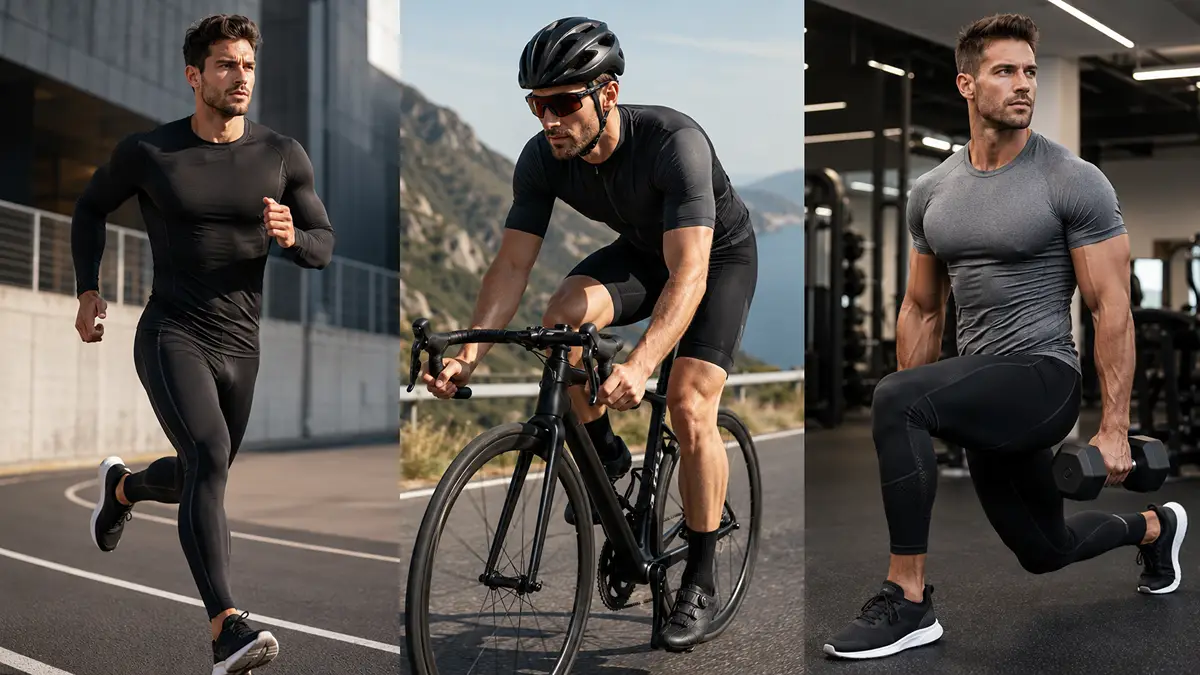
When you wear leggings or a sports jacket, you want the garment to move with your body — not against it.This is exactly what articulated fit is designed to achieve.
Articulated fit is one of the most important but often overlooked features in high-performance activewear. It directly impacts comfort, mobility, and overall wearing experience .Which is why it plays a key role in customer satisfaction and brand loyalty.
This guide explains what articulated fit means, how it works in garment production, and how it improves activewear for different sports and activities.
What Is Articulated Fit in Activewear?
Articulated fit means the garment is pre-shaped to follow the natural bends of the human body.
Instead of using straight, flat fabric panels, designers add a slight curve to key movement areas — mainly:
- Knees (leggings, pants)
- Elbows (jackets, tops)
For example, when you squat in regular leggings, fabric often pulls behind the knee. This happens because the pattern was not designed for movement.
With articulated design, the knee area is slightly pre-bent during pattern making. This creates extra space where the body naturally bends, allowing smoother movement without tight pulling or resistance.
The result is simple:
Better comfort + better flexibility + better performance
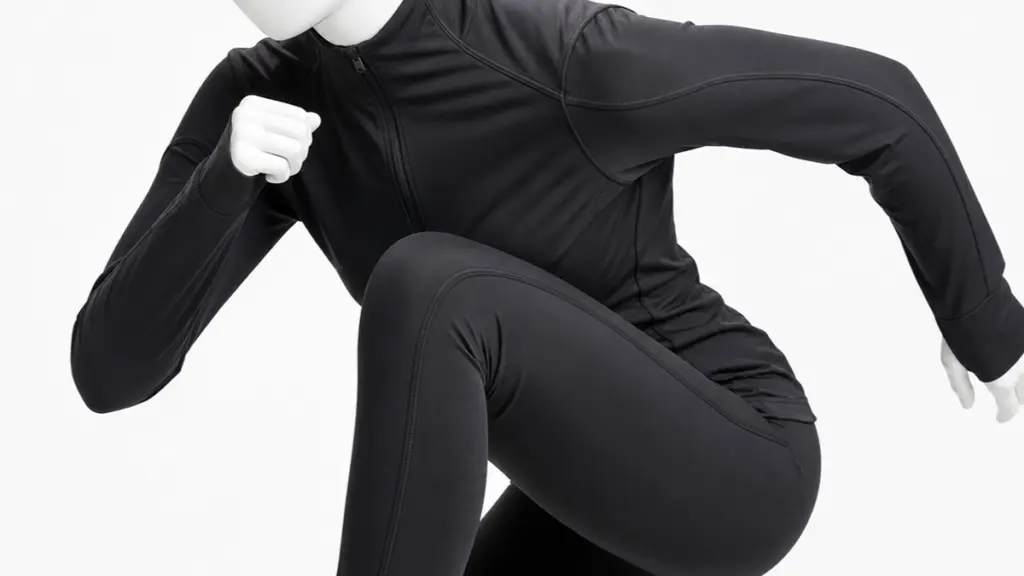
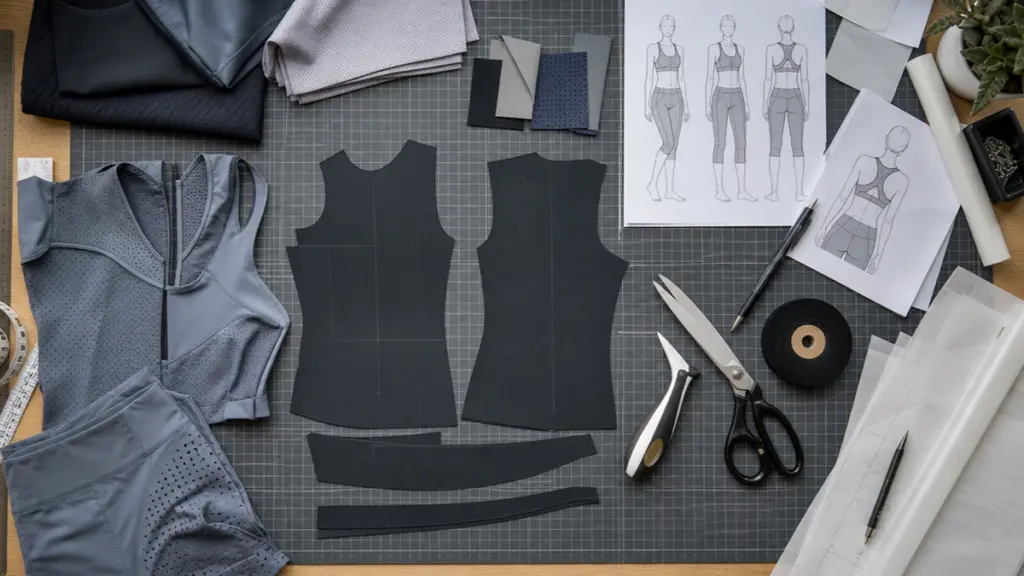
Pattern Engineering: Shaping Panels to Match Natural Joint Bends
Pattern engineering is the process of designing how each piece of fabric is cut and assembled so the garment supports natural body movement.
A standard flat-cut garment :uses simple two-dimensional panels. This works when standing still, but during movement like squatting, running, or reaching, the fabric can feel tight or restrictive because it does not follow the body’s natural bends.
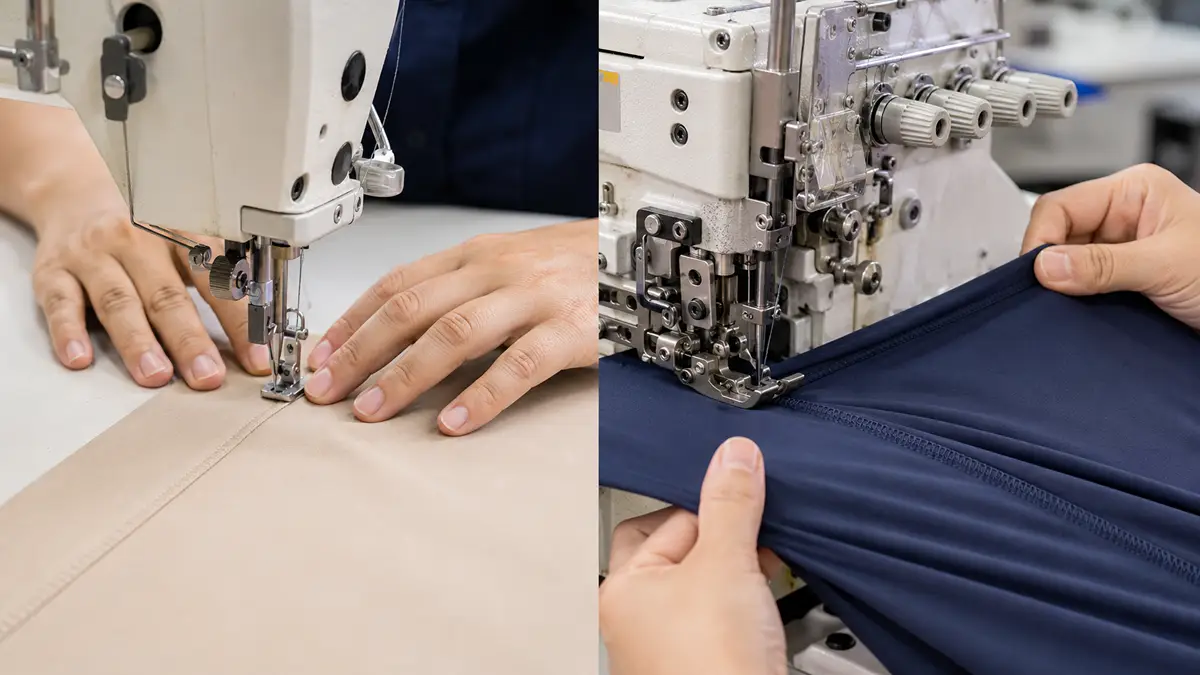
In articulated pattern engineering: each garment is designed based on movement. The knee, elbow, and shoulder areas are shaped with a slight curve so they match how the body naturally bends. This helps the fabric move with the body instead of against it.To improve flexibility, designers often use multiple panels instead of one single piece. More panels allow better control of stretch and movement.
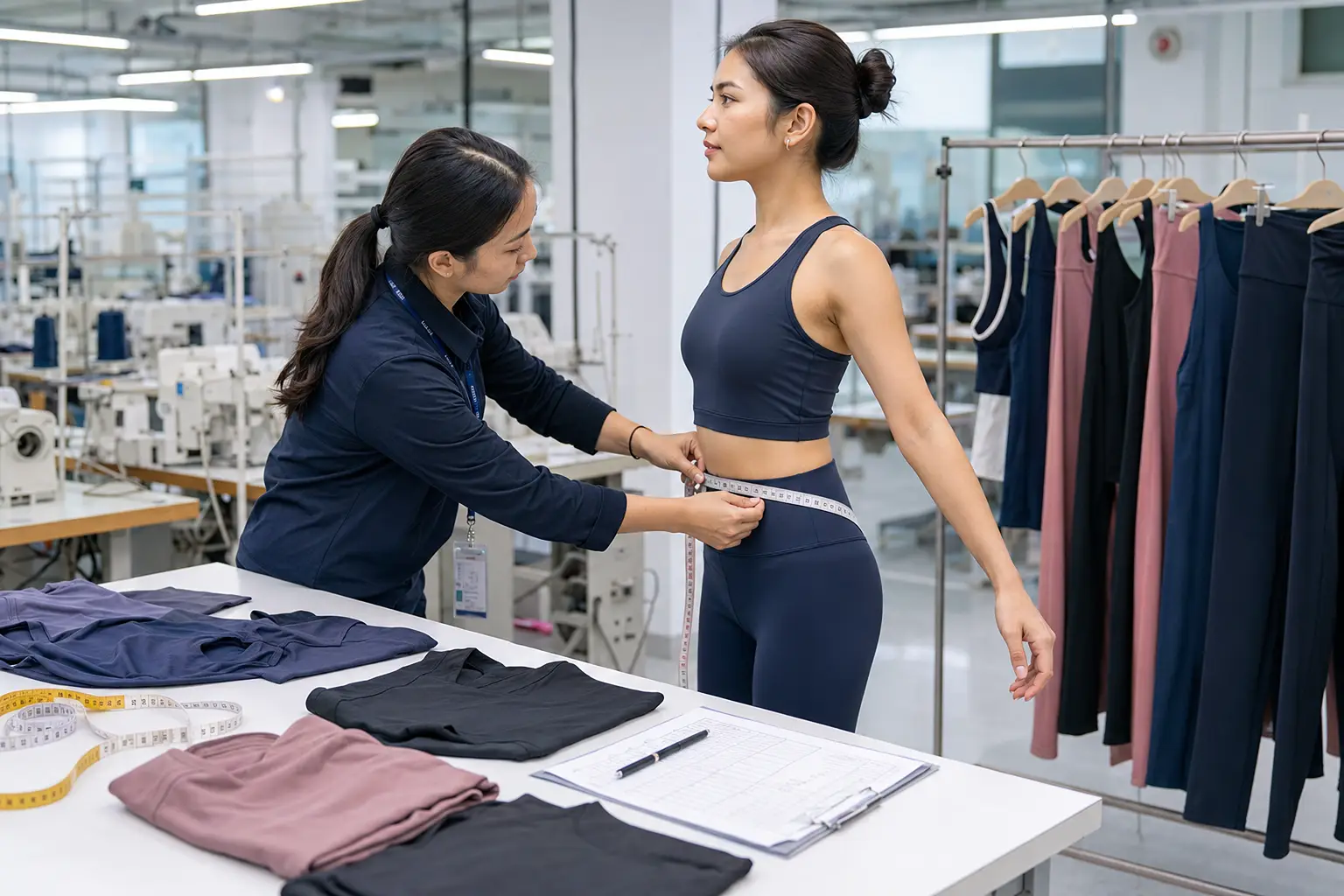
In our factory, pattern makers combine movement-based design with the right stretch fabrics. When pattern shape and fabric performance work together, the result is activewear that feels more comfortable, flexible, and supportive during real activity.
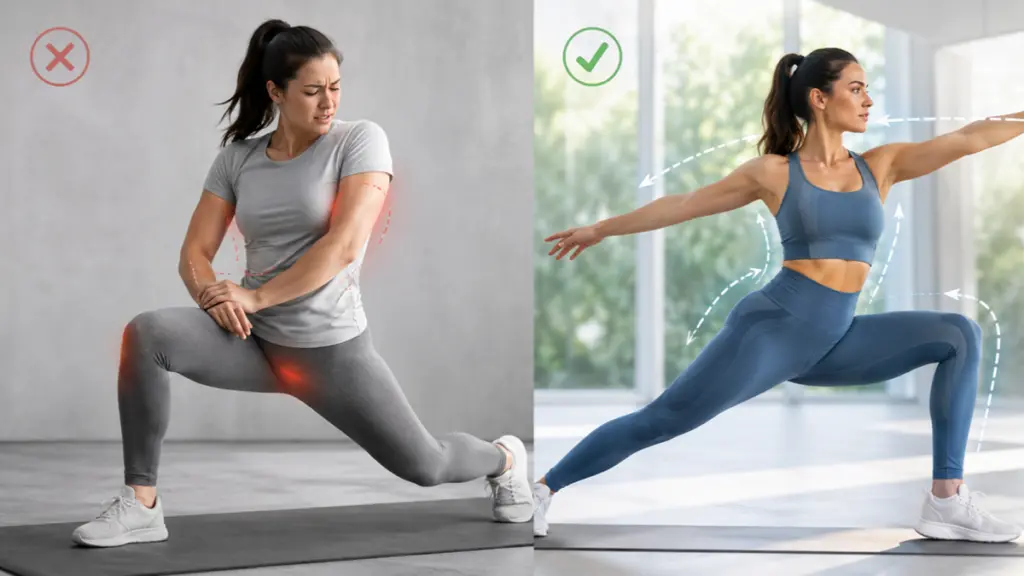
Why Articulated Designs Reduce Pulling and Restriction
Pulling and tightness are common problems in poorly designed activewear. They usually happen when the garment is not shaped for real body movement.
For example, when someone squats, the back of the knee needs extra room. In a flat-cut design, this space is not planned, so the fabric stretches too tightly. This creates discomfort and can limit movement.
Articulated designs solve this by adding extra space exactly where the body bends. The knee, elbow, and joint areas are slightly pre-shaped so the fabric has enough length during movement. When standing, this shape is almost unnoticeable, but during exercise, it makes a big difference.This design also improves performance. When clothing moves smoothly with the body, there is less resistance. The wearer can move more freely and focus on activity
This is an important feature. Once customers experience better comfort and flexibility, they usually prefer articulated garments for future purchases, helping build stronger customer loyalty.
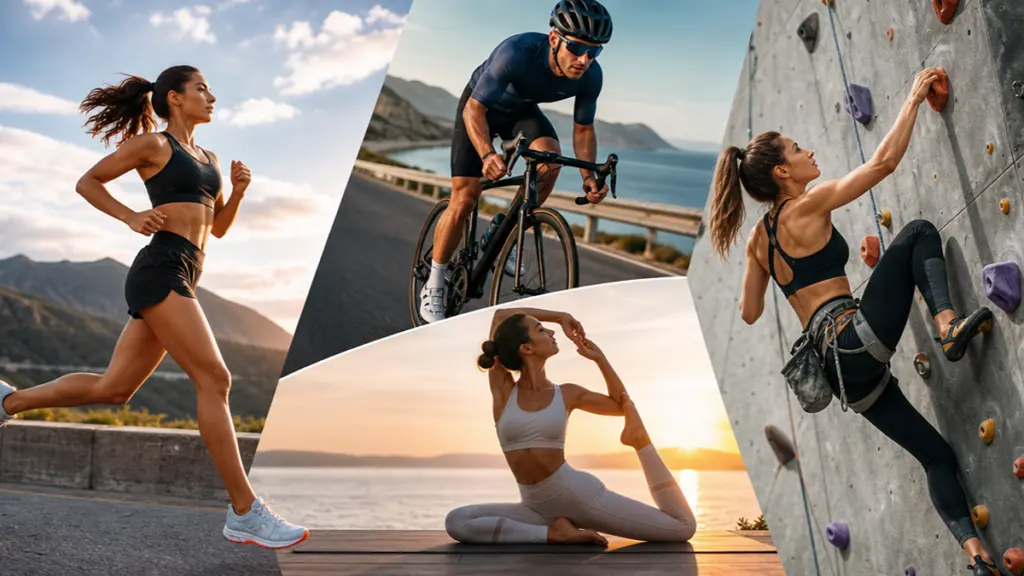
Activity-Specific Articulation: Running, Cycling, Climbing, and Yoga Applications
Articulated design is not the same for every sport. The pattern changes based on how the body moves in each activity.
For running: the knees bend forward repeatedly with each stride. Running tights are designed with a forward knee curve so the fabric stays stable and does not pull down during long-distance movement. Key support areas include the knee, hip, and back leg.
Cycling : Cycling requires a fixed riding position with constant knee rotation. Cycling wear uses a stronger knee curve and more shaped hip panels to support the forward-leaning posture and repeated pedaling motion.
Climbing : Climbing involves the widest range of movement. Climbers stretch, step high, and reach overhead. Clothing needs stronger articulation with multi-panel knees, gusseted areas, and flexible elbow shaping to allow full mobility without restriction.
For Yoga: focuses on deep stretching and controlled movement. Articulation is softer but still important, especially around the hips and knees. Combined with stretch fabrics, it helps the garment stay comfortable during bending and holding poses.
Choosing the right articulation level depends on the sport. We help brands design each product according to real movement needs, ensuring better performance and comfort for end users.
Conclusion
Articulated fit is not a trend. It is a fundamental principle of performance activewear design. Pre-curved knees, shaped elbow panels, and motion-mapped pattern engineering are what separate garments that feel good in motion from those that only look good on the hanger.
For brand owners and buyers entering the activewear market, understanding articulation gives you a clear advantage. You can make better product decisions, communicate more clearly with your manufacturer, and create garments that your customers will genuinely love to wear.
If you are ready to develop an activewear line with real performance engineering behind it, Sansansports are here to help. From pattern development to final production, our team brings both technical knowledge and practical factory experience to every project.