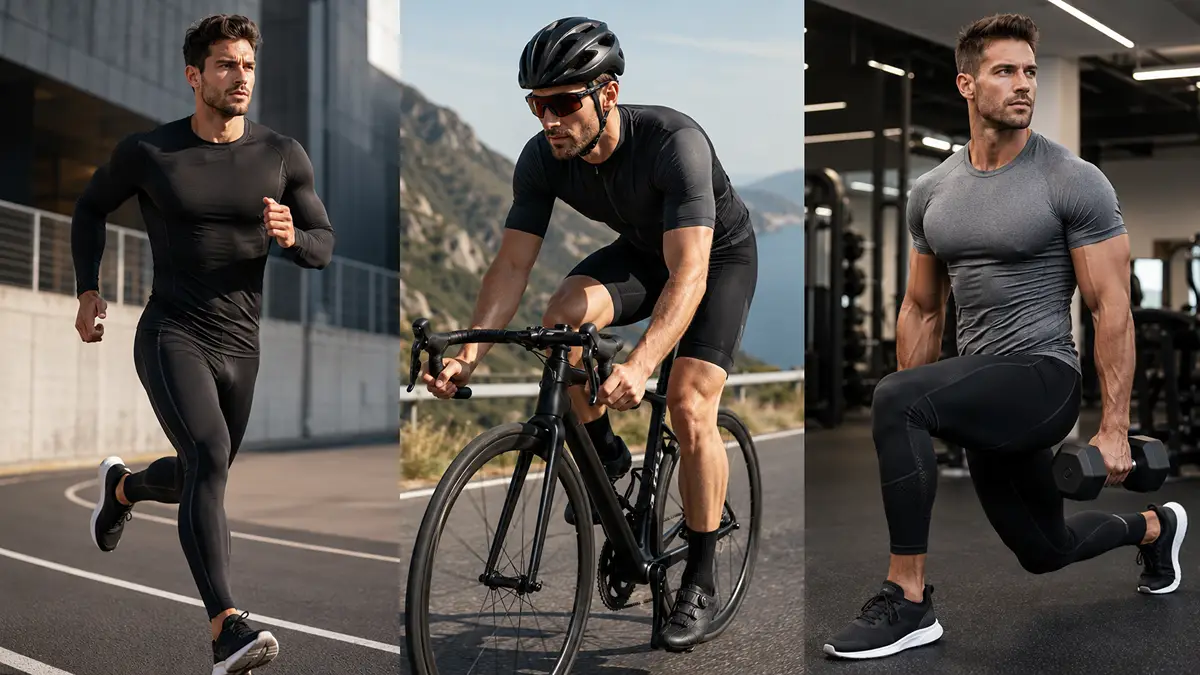
Cuando usas leggings o una chaqueta deportiva, Quieres que la prenda se mueva con tu cuerpo, no contra él. Esto es exactamente para lo que está diseñado el ajuste articulado..
El ajuste articulado es una de las características más importantes, pero que a menudo se pasa por alto, en la ropa deportiva de alto rendimiento.. Impacta directamente en la comodidad., movilidad, y la experiencia de uso general. Por eso juega un papel clave en la satisfacción del cliente y la lealtad a la marca..
Esta guía explica qué significa ajuste articulado., cómo funciona en la producción de prendas de vestir, y cómo mejora la ropa deportiva para diferentes deportes y actividades.
¿Qué es el ajuste articulado en ropa deportiva??
El ajuste articulado significa que la prenda está preformada para seguir las curvas naturales del cuerpo humano..
En lugar de usar directamente, paneles de tela planos, Los diseñadores añaden una ligera curva a las áreas clave de movimiento, principalmente:
- rodillas (polainas, pantalones)
- Codos (chaquetas, tapas)
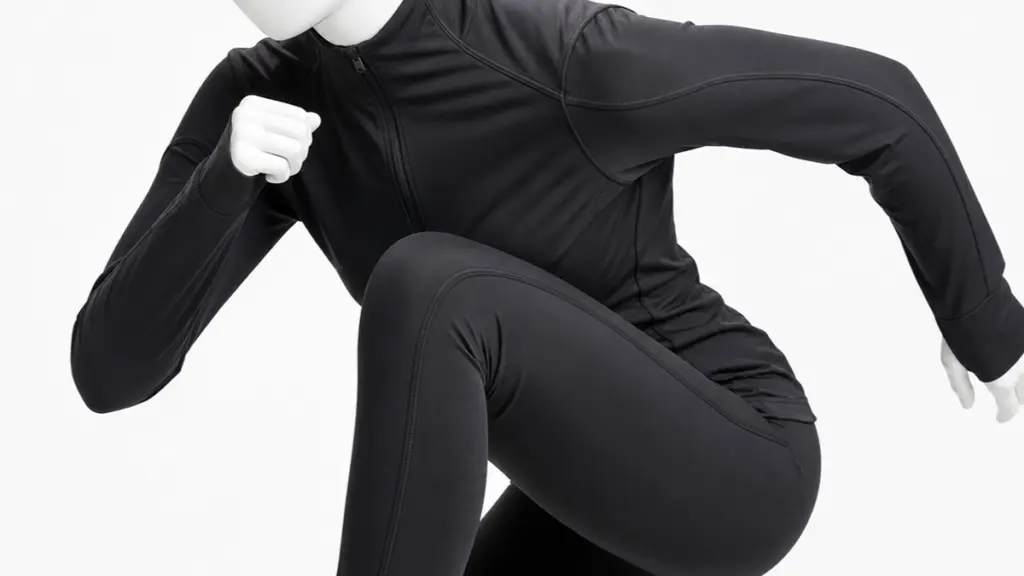
Por ejemplo, cuando te pones en cuclillas con mallas normales, la tela a menudo tira detrás de la rodilla. Esto sucede porque el patrón no fue diseñado para el movimiento..
Con diseño articulado, El área de la rodilla está ligeramente doblada durante la confección del patrón.. Esto crea un espacio adicional donde el cuerpo se dobla naturalmente., permitiendo un movimiento más suave sin tirones ni resistencia.
El resultado es sencillo:
Mejor comodidad + mejor flexibilidad + mejor rendimiento
Ingeniería de patrones: Dar forma a los paneles para que coincidan con las curvaturas naturales de las juntas
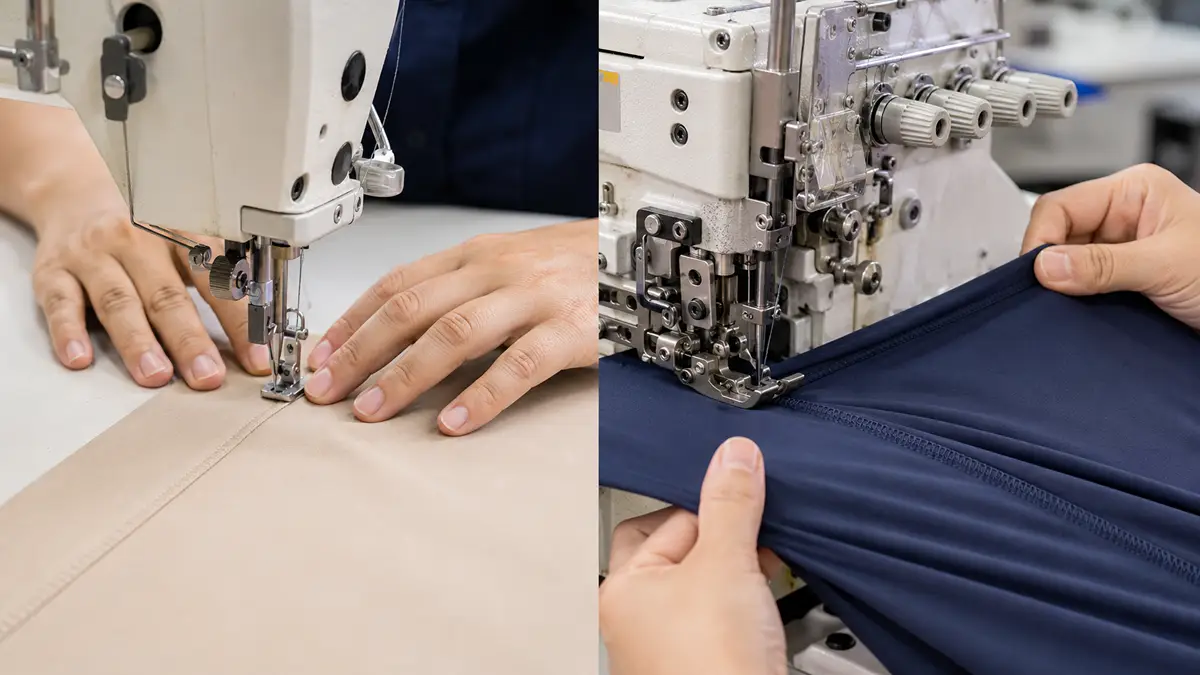
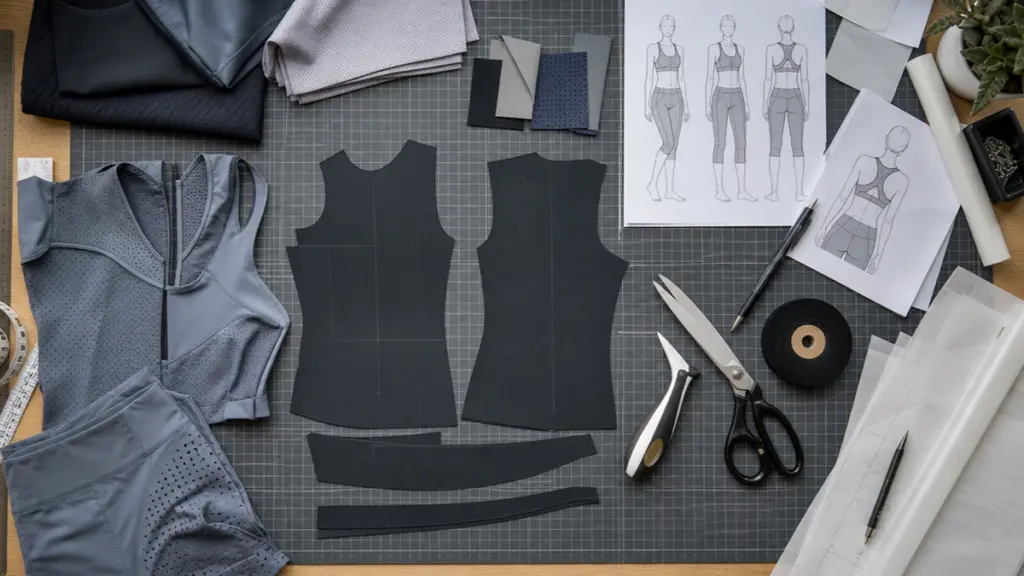
La ingeniería de patrones es el proceso de diseñar cómo se corta y ensambla cada pieza de tela para que la prenda admita el movimiento natural del cuerpo..
Una prenda estándar de corte plano :utiliza paneles bidimensionales simples. Esto funciona cuando estás parado, pero durante el movimiento como ponerse en cuclillas, correr, o alcanzando, la tela puede sentirse apretada o restrictiva porque no sigue las curvas naturales del cuerpo.
En ingeniería de patrones articulados: cada prenda está diseñada en base al movimiento. la rodilla, codo, y las áreas de los hombros tienen una forma ligeramente curva para que coincidan con la forma en que el cuerpo se dobla naturalmente. Esto ayuda a que la tela se mueva con el cuerpo en lugar de contra él. Para mejorar la flexibilidad, Los diseñadores suelen utilizar varios paneles en lugar de una sola pieza.. Más paneles permiten un mejor control del estiramiento y el movimiento..
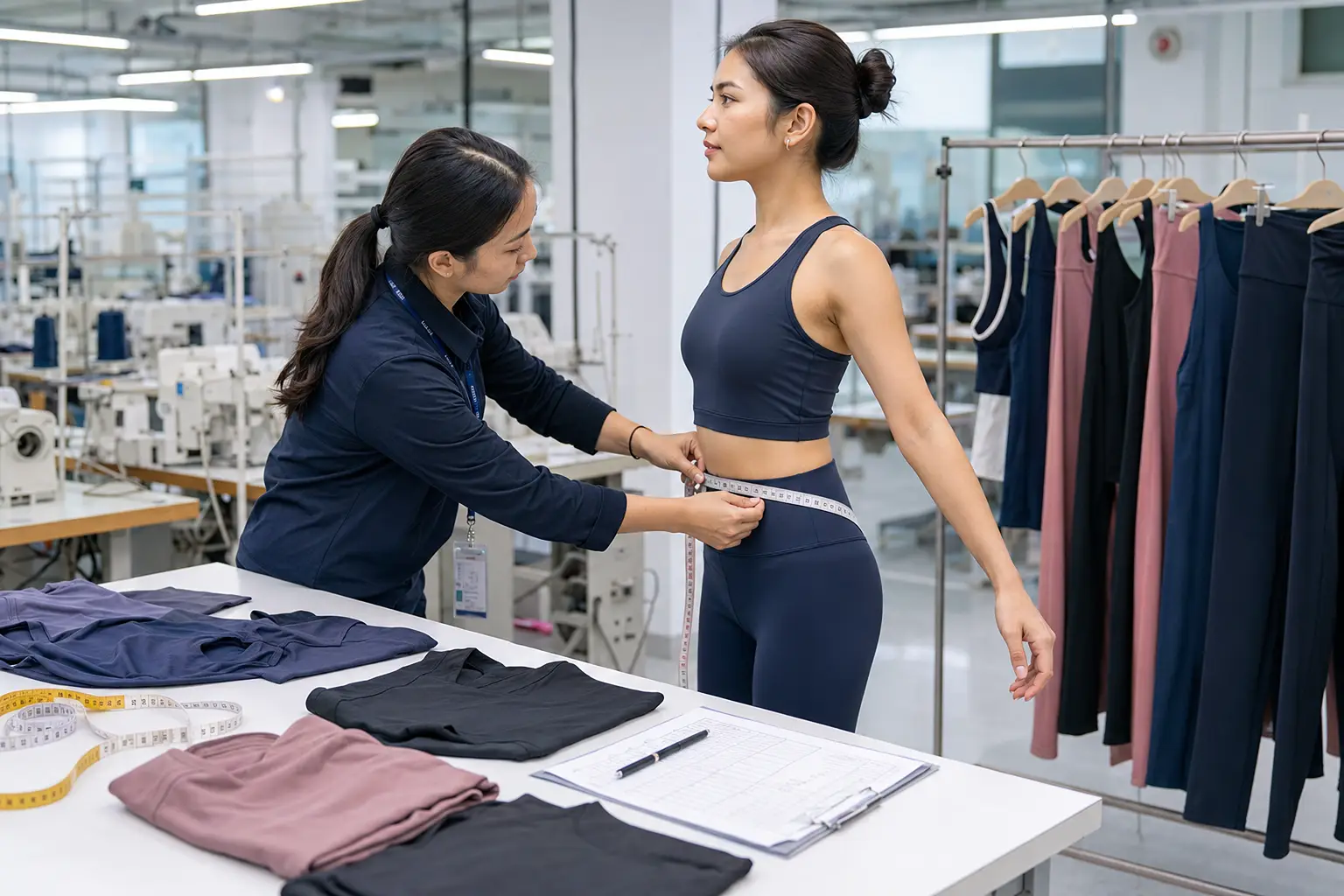
en nuestra fábrica, Los creadores de patrones combinan diseño basado en movimiento con el derecho tejidos elásticos. Cuando la forma del patrón y el rendimiento de la tela trabajan juntos, el resultado es ropa deportiva que se siente más cómoda, flexible, y de apoyo durante la actividad real.
Por qué los diseños articulados reducen los tirones y las restricciones
Los tirones y la tensión son problemas comunes en la ropa deportiva mal diseñada. Suelen ocurrir cuando la prenda no está diseñada para el movimiento real del cuerpo..
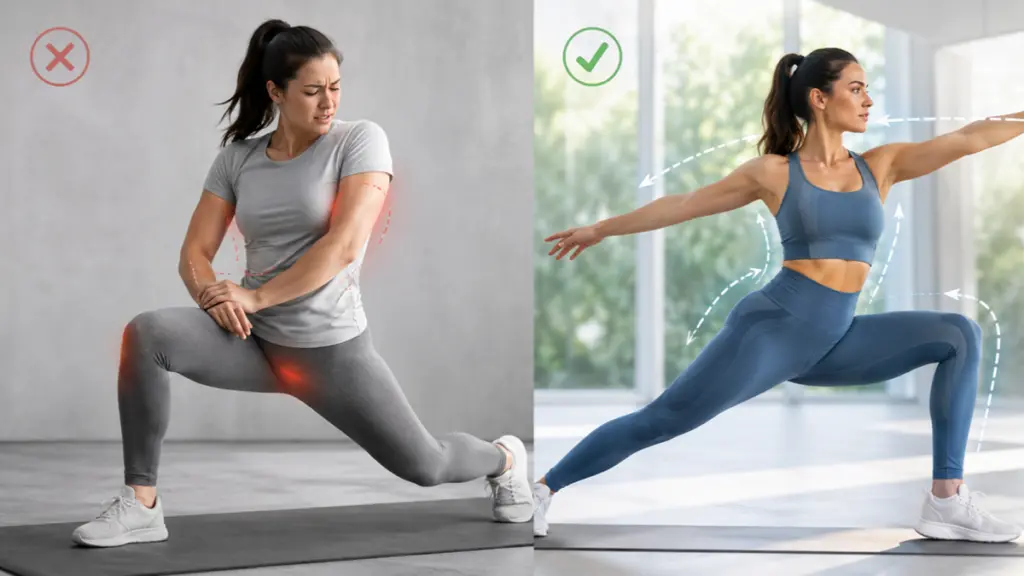
Por ejemplo, cuando alguien se pone en cuclillas, la parte posterior de la rodilla necesita espacio adicional. En un diseño de corte plano, este espacio no está planeado, entonces la tela se estira demasiado. Esto crea malestar y puede limitar el movimiento..
Los diseños articulados resuelven esto agregando espacio adicional exactamente donde se dobla el cuerpo.. la rodilla, codo, y las áreas de las articulaciones están ligeramente preformadas para que la tela tenga suficiente longitud durante el movimiento. al estar de pie, esta forma es casi imperceptible, pero durante el ejercicio, Hace una gran diferencia. Este diseño también mejora el rendimiento.. Cuando la ropa se mueve suavemente con el cuerpo., hay menos resistencia. El usuario puede moverse más libremente y concentrarse en la actividad.
Esta es una característica importante. Una vez que los clientes experimenten mayor comodidad y flexibilidad, Suelen preferir prendas articuladas para futuras compras., ayudando a construir una mayor lealtad del cliente.
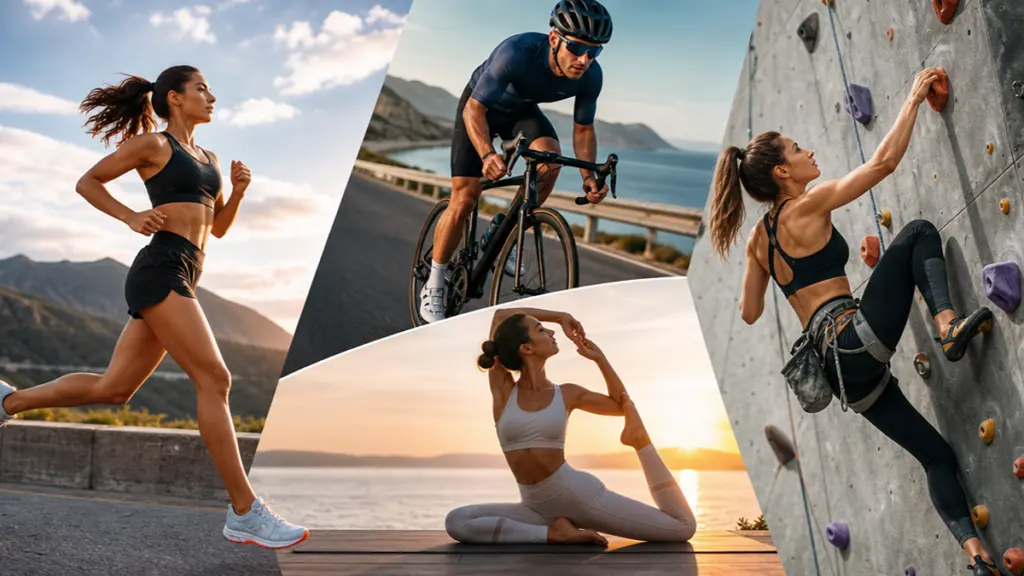
Articulación de actividad específica: Correr, Ciclismo, Escalada, y aplicaciones de yoga
El diseño articulado no es igual para todos los deportes. El patrón cambia según cómo se mueve el cuerpo en cada actividad..
para correr: las rodillas se doblan hacia adelante repetidamente con cada zancada. Las mallas para correr están diseñadas con una curva de rodilla hacia adelante para que la tela se mantenga estable y no se tire hacia abajo durante el movimiento de larga distancia.. Las áreas clave de apoyo incluyen la rodilla., cadera, y pierna trasera.
Ciclismo : El ciclismo requiere una posición de conducción fija con rotación constante de las rodillas.. La ropa de ciclismo utiliza una curva de rodilla más fuerte y paneles de cadera más moldeados para apoyar la postura inclinada hacia adelante y el movimiento de pedaleo repetido..
Escalada : La escalada implica el rango más amplio de movimiento.. Los escaladores se estiran, paso alto, y llegar a lo alto. La ropa necesita una articulación más fuerte con rodillas de paneles múltiples, áreas reforzadas, y forma flexible del codo para permitir una movilidad total sin restricciones.
Para Yoga: se centra en estiramientos profundos y movimientos controlados.. La articulación es más suave pero sigue siendo importante., especialmente alrededor de las caderas y las rodillas. Combinado con tejidos elásticos., Ayuda a que la prenda se mantenga cómoda durante las posturas de agacharse y sostenerse..
Elegir el nivel de articulación adecuado depende del deporte. Ayudamos a las marcas a diseñar cada producto según las necesidades reales de movimiento, asegurando un mejor rendimiento y comodidad para los usuarios finales.
Conclusión
El ajuste articulado no es una tendencia. Es un principio fundamental del diseño de ropa deportiva de alto rendimiento.. Rodillas precurvadas, paneles de codo en forma, y la ingeniería de patrones con mapas de movimiento son los que separan las prendas que se sienten bien en movimiento de aquellas que solo lucen bien en la percha..
Para propietarios de marcas y compradores que ingresan al mercado de ropa deportiva, comprender la articulación le brinda una clara ventaja. Puede tomar mejores decisiones sobre productos, comunicarse más claramente con su fabricante, y crea prendas que a tus clientes realmente les encantará usar.
Si está listo para desarrollar una línea de ropa deportiva con ingeniería de rendimiento real detrás, Sansansports están aquí para ayudar. Desde el desarrollo del patrón hasta la producción final., Nuestro equipo aporta conocimientos técnicos y experiencia práctica en fábrica a cada proyecto..