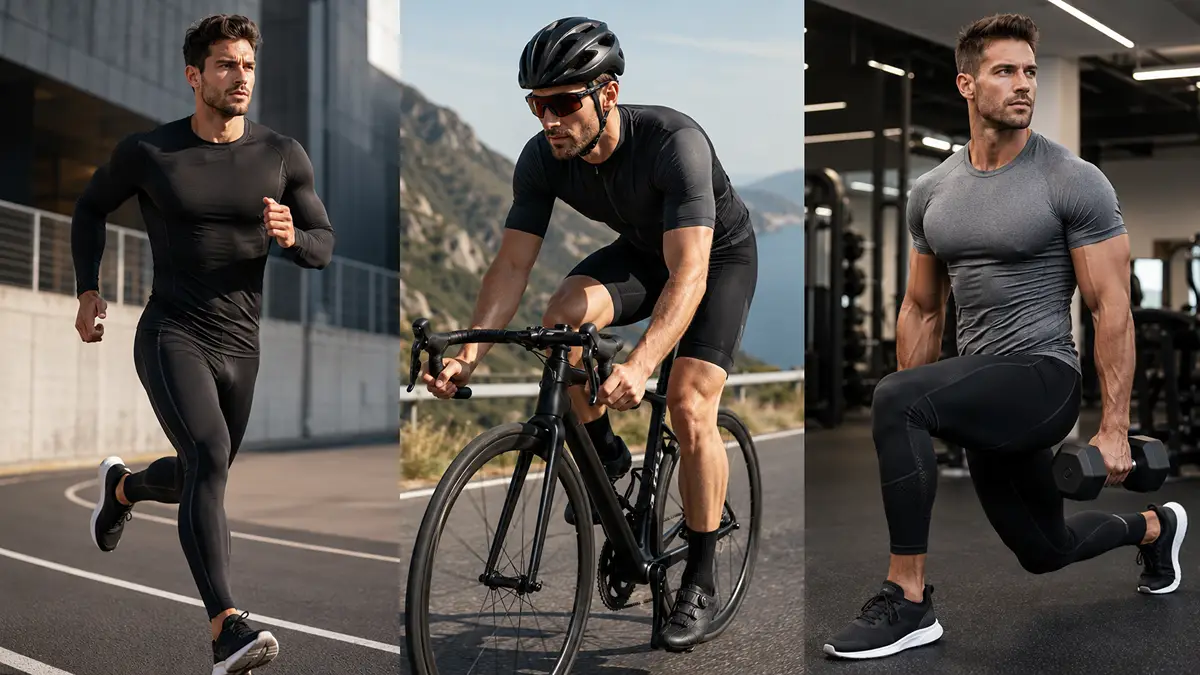
यदि आप एक एक्टिववियर ब्रांड बना रहे हैं, आपने संभवतः पीएफएएस शब्द से परिचित हो लिया होगा. शायद किसी आपूर्तिकर्ता ने इसका उल्लेख किया हो. शायद किसी ग्राहक ने इसके बारे में पूछा हो. या हो सकता है कि आपने कपड़ों में रासायनिक प्रतिबंधों के बारे में कुछ ऑनलाइन पढ़ा हो.
जो कुछ भी तुम्हें यहां लाया है, तुम सही जगह पर हैं.
पीएफएएस रसायनों का एक समूह है जिसका व्यापक रूप से उपयोग किया गया है खेलों and outdoor apparel for decades. वे कपड़ों को पानी को पीछे हटाने में मदद करते हैं, दाग का विरोध करें, और कठिन वर्कआउट के दौरान अपना आकार बनाए रखें. लेकिन वर्षों के शोध से पता चला है कि पीएफएएस मानव स्वास्थ्य और पर्यावरण के लिए हानिकारक हो सकता है.
स्टार्टअप ब्रांडों और नए खरीदारों के लिए, यह विषय भारी लग सकता है. पीएफएएस वास्तव में क्या हैं?? क्या वे अभी आपके कपड़ों में हैं?? आप प्रदर्शन खोए बिना सुरक्षित विकल्प कैसे ढूंढते हैं??
यह आलेख उन सभी प्रश्नों का उत्तर देता है। हम आपको बताएंगे कि पीएफएएस क्या हैं, उनका उपयोग क्यों किया गया, और पीएफएएस-मुक्त एक्टिववियर में स्वच्छ परिवर्तन कैसे करें. हम यह भी साझा करेंगे कि विनिर्माण भागीदार चुनते समय किन बातों का ध्यान रखना चाहिए जो प्रक्रिया के दौरान आपका समर्थन कर सकें.
पीएफएएस क्या हैं??
पीएफएएस (प्रति- और पॉलीफ्लोरोएल्किल पदार्थ) ये मानव निर्मित रसायन हैं जिन्हें "हमेशा के लिए रसायन" के रूप में जाना जाता है क्योंकि वे पर्यावरण या मानव शरीर में आसानी से नहीं टूटते हैं. वे बहुत मजबूत कार्बन-फ्लोरीन बांड के साथ निर्मित होते हैं, उन्हें अत्यधिक टिकाऊ बनाने के साथ-साथ लंबे समय तक चलने वाला भी बनाता है.
सामान्य प्रकारों में पीएफओए शामिल है, प्फोस, और पीटीएफई, जिनका कई उद्योगों में व्यापक रूप से उपयोग किया गया है. तथापि, पीएफएएस को थायरॉइड मुद्दों जैसे स्वास्थ्य जोखिमों से जोड़ा गया है, प्रतिरक्षा प्रणाली पर प्रभाव, और कुछ कैंसर.
जैसे-जैसे संयुक्त राज्य अमेरिका और यूरोपीय संघ में नियम सख्त होते जा रहे हैं, और उपभोक्ता रासायनिक सुरक्षा के बारे में अधिक चिंतित हो गए हैं, अधिक ब्रांड सक्रिय रूप से पीएफएएस-मुक्त कपड़ों पर स्विच कर रहे हैं.
एक्टिववियर में पीएफएएस का उपयोग क्यों किया जाता है??
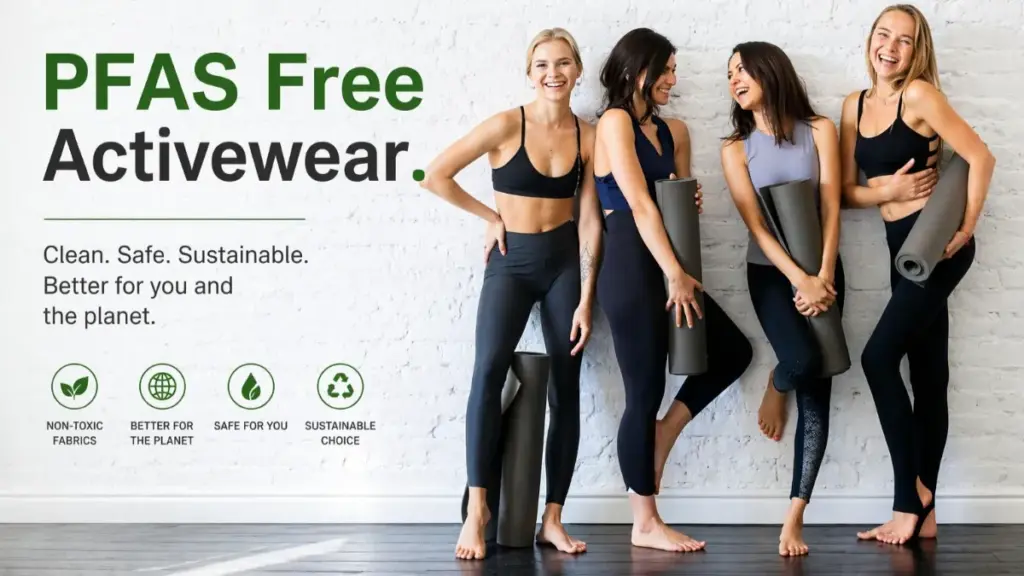
पीएफएएस का उपयोग एक्टिववियर में किया जाता है क्योंकि वे मजबूत प्रदर्शन लाभ प्रदान करते हैं. वे एक टिकाऊ जल-विकर्षक बनाते हैं (डीडब्ल्यूआर) खत्म करना, कपड़ों को पानी का प्रतिरोध करने में मदद करना, तेजी से सूखना, और वर्कआउट के दौरान हल्के रहें. वे दाग प्रतिरोध भी जोड़ते हैं, कपड़े की चिकनाई में सुधार करें, और घर्षण को कम करें.
तथापि, ये लाभ जोखिम के साथ आते हैं. पीएफएएस आसानी से टूटता नहीं है और धोने के दौरान त्वचा में स्थानांतरित हो सकता है या पानी में प्रवेश कर सकता है. इसके कारण, उद्योग अब सुरक्षित की ओर बढ़ रहा है, पीएफएएस-मुक्त विकल्प जो अभी भी प्रदर्शन बनाए रखते हैं.
क्या पीएफएएस योगा वियर और लेगिंग्स में आम है??
अधिकांश मानक लेगिंग्स में और योग वस्त्र, पीएफएएस आवश्यक नहीं हैं.
जिन उत्पादों में पीएफएएस होने की सबसे अधिक संभावना है उनमें शामिल हैं:
- वाटरप्रूफ जैकेट
- जल-विकर्षक बाहरी वस्त्र
- रनिंग जैकेट
- दाग प्रतिरोधी परिधान
जिन उत्पादों में पीएफएएस की आवश्यकता कम होने की संभावना है उनमें शामिल हैं:
- योग लेगिंग्स
- स्पोर्ट्स ब्रा
- छोटे टॉप
- संपीड़न शॉर्ट्स
इसका मतलब है कि कई एक्टिववियर ब्रांड उत्पाद प्रदर्शन पर न्यूनतम प्रभाव के साथ पीएफएएस-मुक्त उत्पादन में बदलाव कर सकते हैं.
अपने कपड़े की सुरक्षा कैसे सत्यापित करें
एक्टिववियर फैब्रिक की सोर्सिंग से पहले, यह न मानें कि यह सुरक्षित है—इसे सत्यापित करें. एसजीएस जैसी प्रयोगशालाओं से तीसरे पक्ष की परीक्षण रिपोर्ट के लिए आपूर्तिकर्ताओं से पूछें, Intertek, या हानिकारक पदार्थों की जाँच के लिए ब्यूरो वेरिटास.
OEKO-TEX मानक जैसे विश्वसनीय प्रमाणपत्र देखें 100 और ब्लूसाइन, जो सख्त रासायनिक सुरक्षा मानकों को सुनिश्चित करते हैं. आप अपनी प्रतिबंधित पदार्थों की सूची भी साझा कर सकते हैं (आरएसएल)और अपने आपूर्तिकर्ता के साथ अनुपालन की पुष्टि करें.
ऐसे कारखाने के साथ काम करना जो रासायनिक अनुपालन को समझता है, प्रक्रिया को आसान बनाता है - ताकि आप सुरक्षित सुनिश्चित कर सकें, गहन तकनीकी विशेषज्ञता की आवश्यकता के बिना उच्च गुणवत्ता वाले उत्पाद.
पीएफएएस कपड़े के प्रदर्शन और गुणवत्ता को कैसे प्रभावित करता है
पीएफएएस का उपयोग लंबे समय से कपड़े के प्रदर्शन को बढ़ावा देने के लिए किया जाता रहा है - विशेष रूप से जल प्रतिरोधी के लिए, दाग प्रतिरोध, और एक चिकनी सतह का एहसास. उन्हें हटाने का मतलब गुणवत्ता खोना नहीं है, लेकिन इसके लिए बेहतर फैब्रिक डिज़ाइन की आवश्यकता होती है.
आज के पीएफएएस-मुक्त कपड़े सही फाइबर के संयोजन से समान प्रदर्शन प्राप्त कर सकते हैं, निर्माण, और परिष्करण तकनीकें. कई प्रमुख ब्रांड ग्राहक संतुष्टि में उल्लेखनीय गिरावट के बिना पहले ही स्विच कर चुके हैं.
मुख्य अंतर स्थायित्व है: पीएफएएस-आधारित जल-विकर्षक फिनिश बार-बार धोने के बाद लंबे समय तक टिकती है, जबकि पीएफएएस-मुक्त विकल्पों के लिए अधिक सावधानीपूर्वक देखभाल या कभी-कभार पुन: उपचार की आवश्यकता हो सकती है.
योगा परिधान और लेगिंग जैसे उत्पादों के लिए, जहां पानी के प्रतिरोध से ज्यादा आराम और खिंचाव मायने रखता है, पीएफएएस-मुक्त सामग्रियों पर स्विच करना आमतौर पर सरल है और प्रदर्शन पर कोई प्रभाव नहीं पड़ता है.
पीएफएएस-मुक्त विकल्प जो वास्तव में प्रदर्शन करते हैं
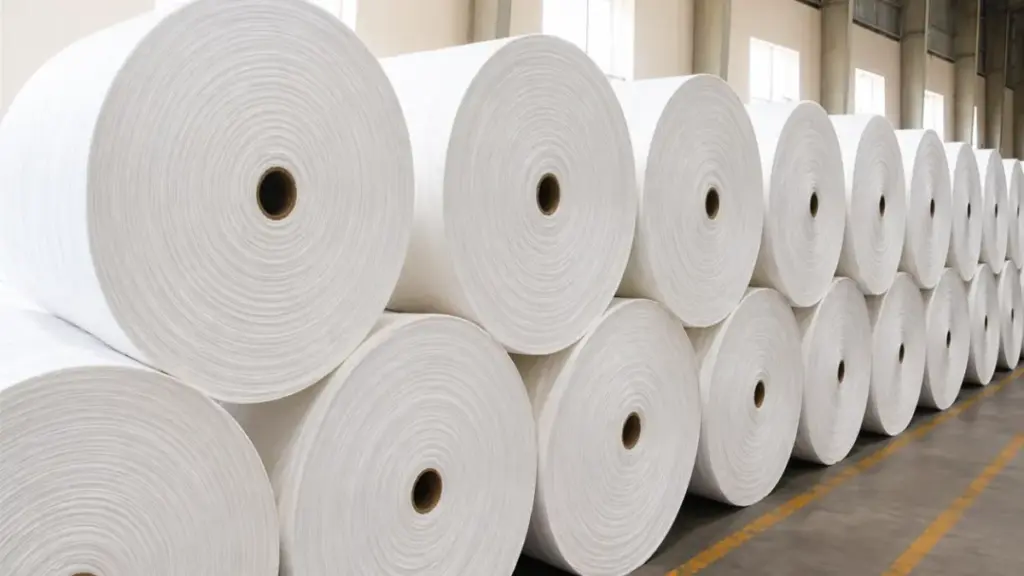
अब कई पीएफएएस-मुक्त विकल्प हैं जो एक्टिववियर के लिए अच्छा काम करते हैं. सभी स्तरों पर ब्रांड पहले से ही इनका सफलतापूर्वक उपयोग कर रहे हैं.
• Fluorine-free DWR coatings: These replace traditional water-repellent finishes using safer materials like wax or silicone. They still help water roll off the fabric.
• C0 DWR: A popular PFAS-free standard that offers good performance for most activewear.
• Engineered polyester & नायलॉन: These fabrics manage sweat naturally through their fiber structure, so no extra coating is needed—great for gym wear and yoga clothing.
• Natural blends: Fabrics like Tencel or organic cotton mixed with performance fibers feel soft, सांस, and eco-friendly.
The best option depends on your product and target market. Testing different fabrics with your manufacturer helps you find the right balance of performance and safety.
What to Look for in a PFAS-Compliant Manufacturing Partner
Choosing the right factory is key to making safe, compliant activewear. Here’s what to check in simple terms:
• Be transparent: A good factory clearly tells you where fabrics come from and shares safety documents. If they avoid questions, it’s a red flag.
• Use certified materials: Look for factories working with standards like OEKO-TEX Standard 100 or bluesign. This means they understand chemical safety.
• Provide testing support: They should offer test reports or work with labs like SGS or Intertek.
• Follow chemical rules (आरएसएल): A reliable factory can follow your Restricted Substances List or already has one in place.
• Communicate clearly: They should explain the process and provide documents at every stage.
In short, work with a factory that is open, experienced, and organized—this helps you avoid risks and build a trusted brand.
अपनी उत्पाद शृंखला को पीएफएएस-मुक्त कैसे बनाएं
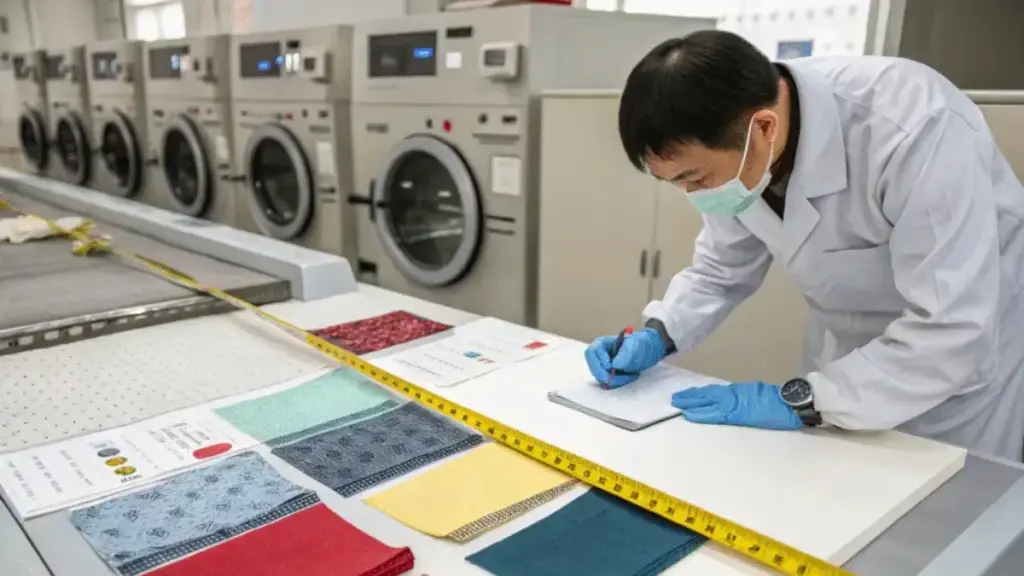
Switching to PFAS-free doesn’t need to happen all at once. A simple, step-by-step approach works best:
• Start small: Begin with 1–2 of your best-selling products to reduce risk and test performance.
• Test fabrics first: Work with your factory to sample PFAS-free materials and do wear tests before production.
• Update care instructions: Some PFAS-free finishes need gentler washing, so guide your customers clearly.
• Tell your customers: Share your move to PFAS-free—many buyers value safer and more sustainable products.
• Plan your timeline: Set a clear schedule to gradually switch your full product line.
In simple terms, test, adjust, and scale step by step—so you keep performance while making your products safer.
Manufacturing Challenges When Eliminating PFAS
Switching to PFAS-free materials is a good move, but it comes with some challenges:
• Water repellency may not last as long: PFAS-free coatings can wear off faster after many washes. This matters more for outdoor gear, but less for yoga wear or gym clothing.
• Different fabric feel: PFAS-free fabrics may feel softer or less slippery. This can be better for comfort, but you should test it first.
• Slightly higher cost: Certified fabrics like OEKO-TEX Standard 100 or bluesign can cost a bit more, but they protect your brand.
• Not all suppliers are ready: Some mills may not offer PFAS-free materials or proper documents yet.
• More time for testing: Checking lab reports and certifications takes extra time, so plan ahead.
In simple terms, PFAS-free production is possible—you just need to test more, plan better, and work with the right partners.
How Our Factory Supports PFAS-Free Production
We are a China-based activewear and yoga wear factory offering OEM, ओडीएम, and MDMD services for brands of all sizes.
We take PFAS compliance seriously:
• We use fabrics certified by OEKO-TEX Standard 100 और ब्लूसाइन.
• We follow a strict Restricted Substances List (आरएसएल) to control PFAS and other chemicals.
• We provide test reports through trusted labs like SGS and Intertek.
For new brands, we guide you step by step—helping you choose the right fabrics and understand the process.
For growing or established brands, we can review your current products, suggest PFAS-free alternatives, and create samples for testing before production.
Our goal is simple: to help you produce safe, high-quality activewear with confidence.
If you’re planning your next collection, feel free to reach out—we’re here to help.
निष्कर्ष
PFAS-free activewear is no longer just a trend—it’s becoming the new industry standard. As regulations tighten and customers become more aware, brands need to pay closer attention to the materials they use and how their products are made.
The good news is that switching to PFAS-free does not mean sacrificing performance. With the right fabrics, परीक्षण, and manufacturing partner, you can create high-quality activewear that is both safe and competitive.
For growing and startup brands, starting PFAS-free from the beginning is often the smartest move.If you want to learn more about PFAS-free activewear or check PFAS-free fabric options for your brand, feel free to contact us—our team is ready to help you get started.
अक्सर पूछे जाने वाले प्रश्नों
क्यू: Do all activewear fabrics contain PFAS?
नहीं. PFAS are mainly used in water-repellent (डीडब्ल्यूआर) कपड़े. Basic fabrics like leggings or jersey usually don’t contain them. Always ask for a test report to be sure.
क्यू: Is PFAS-free the same as eco-friendly?
नहीं. PFAS-free only means no harmful PFAS chemicals. Eco-friendly also includes things like recycled materials and ethical production.
क्यू: How do I check if my supplier is PFAS-compliant?
Ask for certifications like OEKO-TEX Standard 100 or bluesign and request lab test reports.