If you are building an activewear brand, you have probably come across the term PFAS. Maybe a supplier mentioned it. Maybe a customer asked about it. Or maybe you read something online about chemical restrictions in clothing.
Whatever brought you here, you are in the right place.
PFAS are a group of chemicals that have been widely used in スポーツウェア and outdoor apparel for decades. They help fabrics repel water, resist stains, and hold their shape during hard workouts. But research over the years has shown that PFAS can be harmful to human health and the environment.
For startup brands and new buyers, this topic can feel overwhelming. What exactly are PFAS? Are they in your fabrics right now? How do you find safe alternatives without losing performance?
This article answers all of those questions. We will walk you through what PFAS are, why they were used, and how to make a clean transition to PFAS-free activewear. We will also share what to look for when choosing a manufacturing partner who can support you through the process.
What Are PFAS?
PFAS (Per- and Polyfluoroalkyl Substances) are man-made chemicals known as “forever chemicals” because they do not break down easily in the environment or the human body. They are built with very strong carbon–fluorine bonds, making them highly durable but also long-lasting.
Common types include PFOA, PFOS, and PTFE, which have been widely used in many industries. しかし, PFAS have been linked to health risks such as thyroid issues, immune system effects, and certain cancers.
As regulations tighten in the United States and European Union, and consumers become more concerned about chemical safety, more brands are actively switching to PFAS-free fabrics.
Why Are PFAS Used in Activewear?
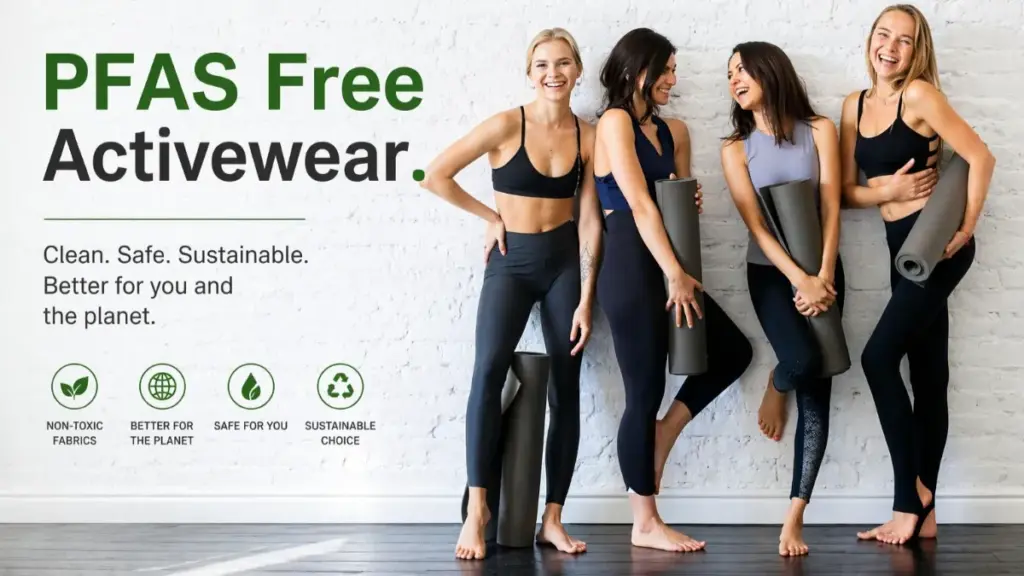
PFAS are used in activewear because they deliver strong performance benefits. They create a durable water-repellent (DWR) finish, helping fabrics resist water, dry faster, and stay lightweight during workouts. They also add stain resistance, improve fabric smoothness, and reduce friction.
しかし, these advantages come with risks. PFAS do not break down easily and can transfer to skin or enter water during washing. このため, the industry is now shifting toward safer, PFAS-free alternatives that still maintain performance.
Are PFAS Common in Yoga Wear and Leggings?
In most standard leggings and yoga clothing, PFAS are not essential.
Products most likely to contain PFAS include:
- Waterproof jackets
- Water-repellent outerwear
- Running jackets
- Stain-resistant apparel
Products less likely to require PFAS include:
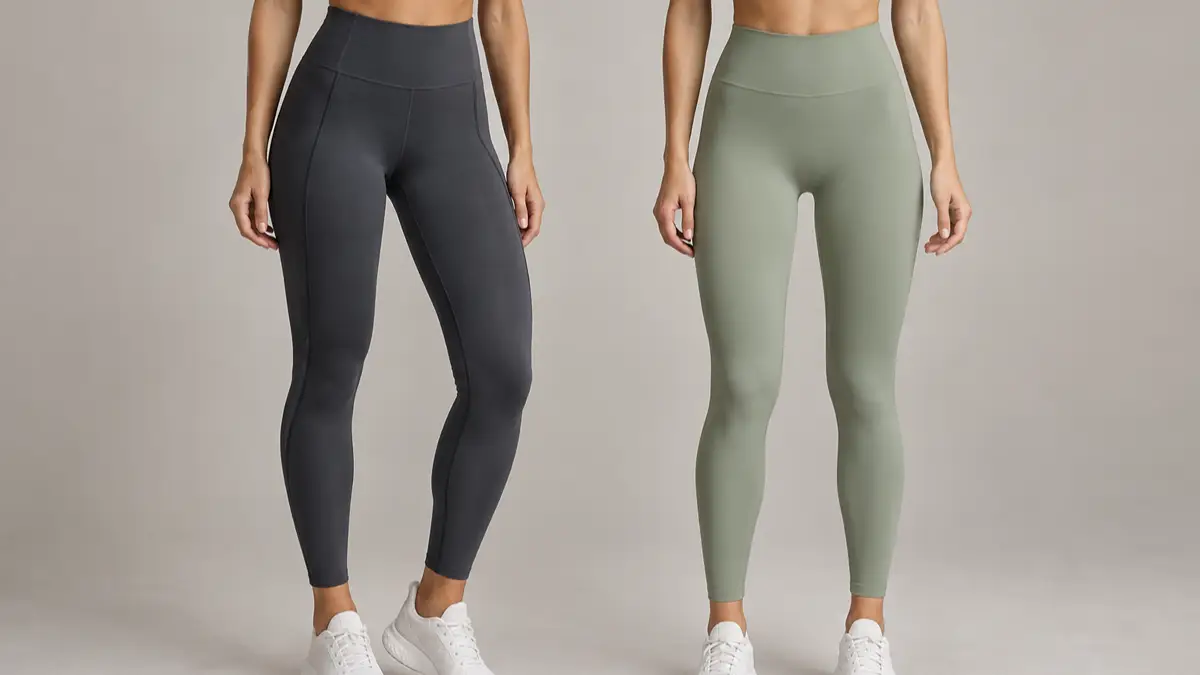
- Yoga leggings
- スポーツブラ
- Tank tops
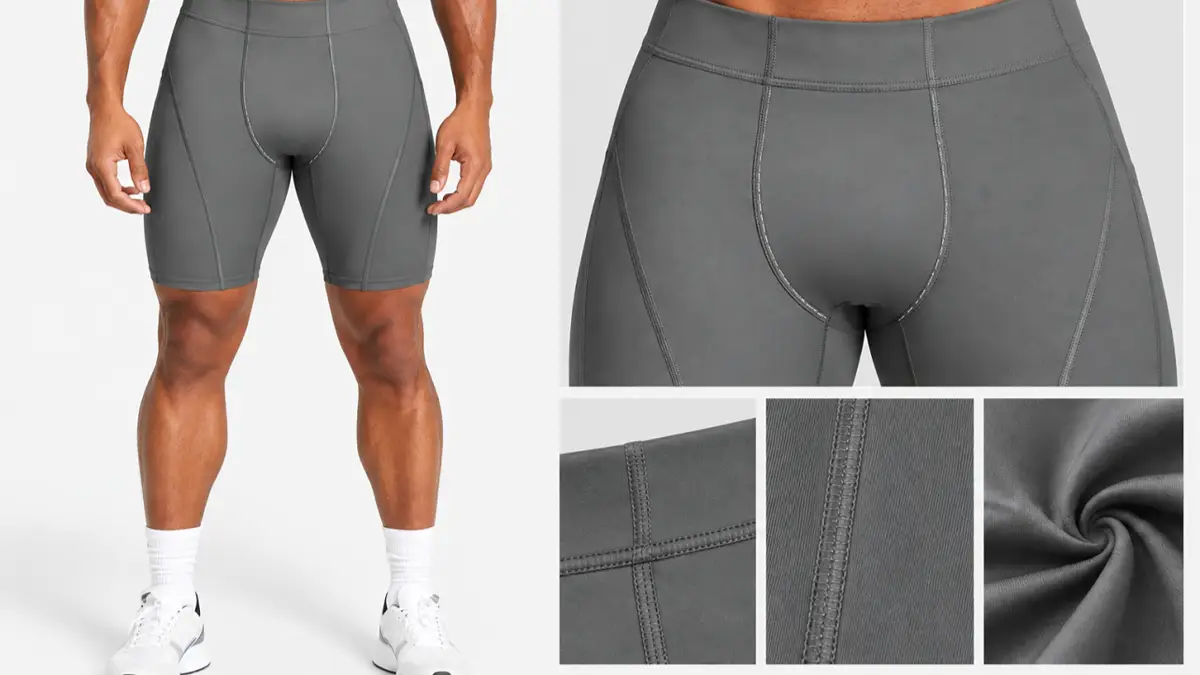
- Compression shorts
This means many activewear brands can transition to PFAS-free production with minimal impact on product performance.
How to Verify Your Fabric Safety
Before sourcing activewear fabric, don’t assume it’s safe—verify it. Ask suppliers for third-party test reports from labs like SGS, インターテック, or Bureau Veritas to check for harmful substances.
Look for trusted certifications such as OEKO-TEX Standard 100 and bluesign, which ensure strict chemical safety standards. You can also share your Restricted Substances List (RSL)and confirm compliance with your supplier.
Working with a factory that understands chemical compliance makes the process easier—so you can ensure safe, high-quality products without needing deep technical expertise.
How PFAS Affect Fabric Performance and Quality
PFAS have long been used to boost fabric performance—especially for water repellency, stain resistance, and a smooth surface feel. Removing them doesn’t mean losing quality, but it does require smarter fabric design.
Today’s PFAS-free fabrics can achieve similar performance by combining the right fibers, 工事, and finishing techniques. Many leading brands have already switched without noticeable drops in customer satisfaction.
The main difference is durability: PFAS-based water-repellent finishes tend to last longer after repeated washing, while PFAS-free options may need more careful care or occasional re-treatment.
For products like yoga wear and leggings, where comfort and stretch matter more than water resistance, switching to PFAS-free materials is usually simple and does not impact performance.
PFAS-Free Alternatives That Actually Perform
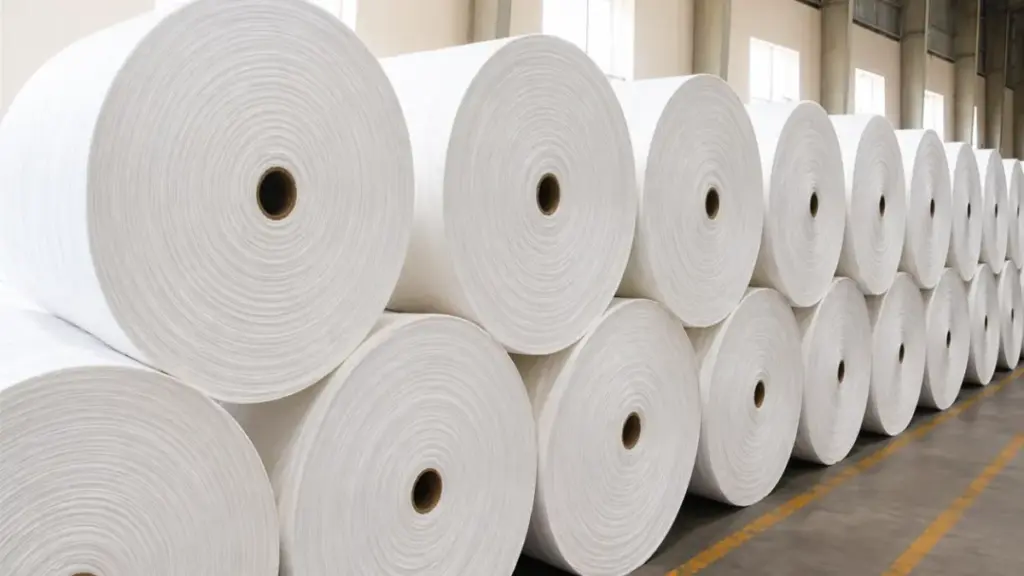
There are now many PFAS-free options that work well for activewear. Brands at all levels are already using them successfully.
• Fluorine-free DWR coatings: These replace traditional water-repellent finishes using safer materials like wax or silicone. They still help water roll off the fabric.
• C0 DWR: A popular PFAS-free standard that offers good performance for most activewear.
• Engineered polyester & ナイロン: These fabrics manage sweat naturally through their fiber structure, so no extra coating is needed—great for gym wear and yoga clothing.
• Natural blends: Fabrics like Tencel or organic cotton mixed with performance fibers feel soft, 通気性のある, and eco-friendly.
The best option depends on your product and target market. Testing different fabrics with your manufacturer helps you find the right balance of performance and safety.
What to Look for in a PFAS-Compliant Manufacturing Partner
Choosing the right factory is key to making safe, compliant activewear. Here’s what to check in simple terms:
• Be transparent: A good factory clearly tells you where fabrics come from and shares safety documents. If they avoid questions, it’s a red flag.
• Use certified materials: Look for factories working with standards like OEKO-TEX Standard 100 or bluesign. This means they understand chemical safety.
• Provide testing support: They should offer test reports or work with labs like SGS or Intertek.
• Follow chemical rules (RSL): A reliable factory can follow your Restricted Substances List or already has one in place.
• Communicate clearly: They should explain the process and provide documents at every stage.
In short, work with a factory that is open, experienced, and organized—this helps you avoid risks and build a trusted brand.
製品ラインを PFAS フリーに移行する方法
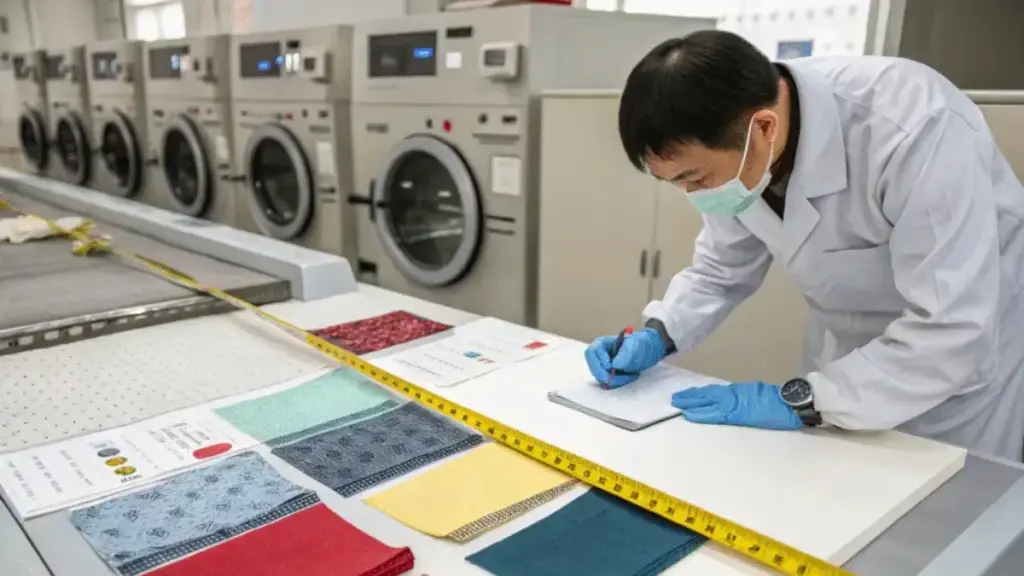
Switching to PFAS-free doesn’t need to happen all at once. A simple, step-by-step approach works best:
• Start small: Begin with 1–2 of your best-selling products to reduce risk and test performance.
• Test fabrics first: Work with your factory to sample PFAS-free materials and do wear tests before production.
• Update care instructions: Some PFAS-free finishes need gentler washing, so guide your customers clearly.
• Tell your customers: Share your move to PFAS-free—many buyers value safer and more sustainable products.
• Plan your timeline: Set a clear schedule to gradually switch your full product line.
簡単に言うと, test, adjust, and scale step by step—so you keep performance while making your products safer.
Manufacturing Challenges When Eliminating PFAS
Switching to PFAS-free materials is a good move, but it comes with some challenges:
• Water repellency may not last as long: PFAS-free coatings can wear off faster after many washes. This matters more for outdoor gear, but less for yoga wear or gym clothing.
• Different fabric feel: PFAS-free fabrics may feel softer or less slippery. This can be better for comfort, but you should test it first.
• Slightly higher cost: Certified fabrics like OEKO-TEX Standard 100 or bluesign can cost a bit more, but they protect your brand.
• Not all suppliers are ready: Some mills may not offer PFAS-free materials or proper documents yet.
• More time for testing: Checking lab reports and certifications takes extra time, so plan ahead.
簡単に言うと, PFAS-free production is possible—you just need to test more, plan better, and work with the right partners.
How Our Factory Supports PFAS-Free Production
We are a China-based activewear and yoga wear factory offering OEM, ODM, and MDMD services for brands of all sizes.
We take PFAS compliance seriously:
• We use fabrics certified by OEKO-TEX Standard 100 and bluesign.
• We follow a strict Restricted Substances List (RSL) to control PFAS and other chemicals.
• We provide test reports through trusted labs like SGS and Intertek.
For new brands, we guide you step by step—helping you choose the right fabrics and understand the process.
For growing or established brands, we can review your current products, suggest PFAS-free alternatives, and create samples for testing before production.
Our goal is simple: to help you produce safe, high-quality activewear with confidence.
If you’re planning your next collection, feel free to reach out—we’re here to help.
結論
PFAS-free activewear is no longer just a trend—it’s becoming the new industry standard. As regulations tighten and customers become more aware, brands need to pay closer attention to the materials they use and how their products are made.
The good news is that switching to PFAS-free does not mean sacrificing performance. With the right fabrics, テスト, and manufacturing partner, you can create high-quality activewear that is both safe and competitive.
For growing and startup brands, starting PFAS-free from the beginning is often the smartest move.If you want to learn more about PFAS-free activewear or check PFAS-free fabric options for your brand, feel free to contact us—our team is ready to help you get started.
よくある質問
Q: Do all activewear fabrics contain PFAS?
いいえ. PFAS are mainly used in water-repellent (DWR) 生地. Basic fabrics like leggings or jersey usually don’t contain them. Always ask for a test report to be sure.
Q: Is PFAS-free the same as eco-friendly?
いいえ. PFAS-free only means no harmful PFAS chemicals. Eco-friendly also includes things like recycled materials and ethical production.
Q: How do I check if my supplier is PFAS-compliant?
Ask for certifications like OEKO-TEX Standard 100 or bluesign and request lab test reports.