Eredità Produttore di abbigliamento sportivo · Fornitore all'ingrosso di abbigliamento da palestra · Sistema di produzione a doppio binario · Ridimensionamento del marchio comunitario
Istantanea della crescita
Il punto di partenza
Questo marchio non era in una fase di crescita: era in una fase di stabilità e riposizionamento.
Costruito all'inizio dell'era CrossFit, il marchio aveva già accumulato un forte riconoscimento da parte della comunità e una fedeltà a lungo termine dei clienti. Molti dei suoi primi utenti erano rimasti con il marchio per più di un decennio.
Il nuovo team di proprietà ha dovuto affrontare una sfida operativa specifica:
- Mantenere una fornitura costante di prodotti per l'allenamento di base utilizzati nelle palestre affiliate
- Allo stesso tempo, reintrodurre lanci limitati di prodotti nostalgici per coinvolgere nuovamente i clienti a lungo termine
Dal punto di vista produttivo, ciò richiedeva due comportamenti produttivi completamente diversi all’interno di una catena di fornitura.
Sfide di produzione
1. Bilanciare l’offerta principale e i cali limitati del patrimonio
La linea di prodotti principale richiesta:
- Dimensionamento stabile attraverso cicli di produzione ripetuti
- Cicli di rifornimento rapidi per la domanda di vendita al dettaglio di palestre
- Standard di tessuto e costruzione coerenti
I prodotti Heritage Drop richiedevano l’approccio opposto:
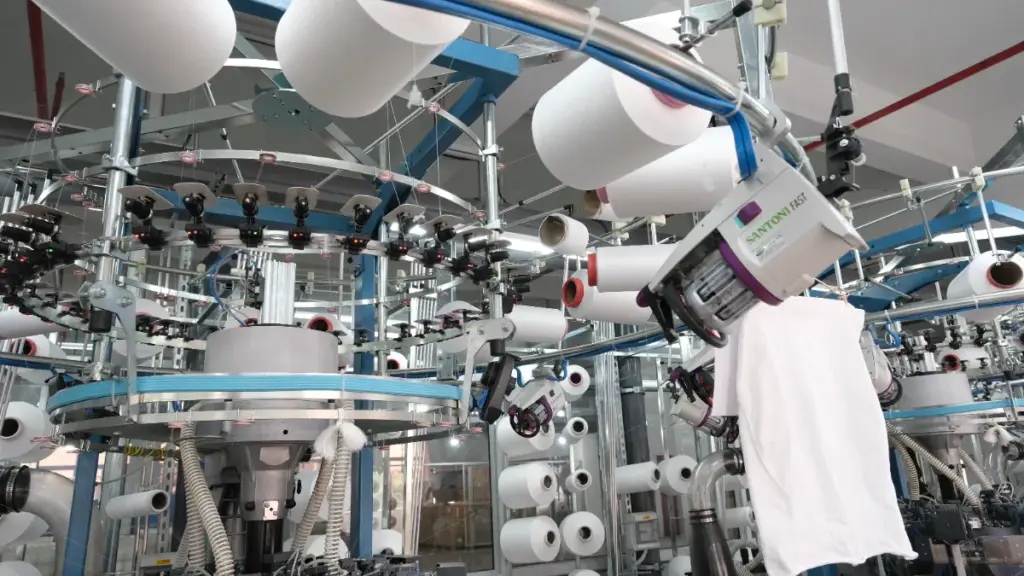
- Produzione in piccoli lotti
- Finissaggi e trattamenti dei capi in stile vintage
- Pesi e silhouette dei tessuti diversi rispetto agli articoli principali
Mantenere la separazione tra questi due tipi di prodotti era fondamentale. Qualsiasi sovrapposizione nel materiale o nella costruzione ridurrebbe il valore percepito dei rilasci del patrimonio.
2. Gestione di una vasta rete di vendita all'ingrosso affiliata
Il marchio operava attraverso migliaia di palestre affiliate CrossFit in tutto il mondo. Ciò ha creato requisiti operativi oltre la produzione DTC standard:
- Struttura dei prezzi all'ingrosso stabile
- Programmi di consegna prevedibili per ordini B2B
- Disponibilità coerente dei prodotti in tutte le regioni
- Semplice sistema di riordino per i partner abituali della palestra
La sfida non era la generazione della domanda: era soddisfare un’offerta B2B coerente senza interrompere le operazioni di vendita al dettaglio a livello di comunità.
3. Riattivazione dei clienti inattivi da lungo tempo
Gran parte della base clienti storica del marchio aveva smesso di acquistare regolarmente a causa di cambiamenti nel ciclo di vita (età, frequenza di allenamento, cambiamento dello stile di vita).
Il reimpegno non si basava solo sul marketing. Richiedeva:
- Riferimenti di prodotto legati alla precedente identità del marchio
- Formati di prodotti fisici che riflettevano l'estetica dell'"era originale".
- Disponibilità limitata per ricreare urgenza e pertinenza
Ciò ha esercitato ulteriore pressione sulla coerenza della produzione per le tirature di piccoli lotti.
Ciò che abbiamo costruito insieme
1. Sistema di produzione a doppio binario
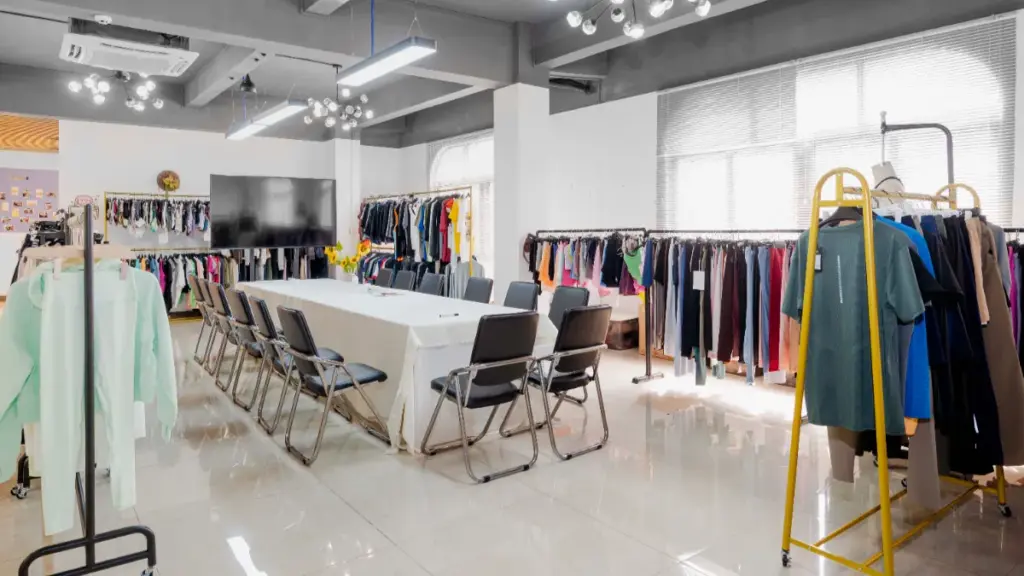
Abbiamo strutturato la produzione in 2 condotte indipendenti ma coordinate:
Linea di produzione principale (sistema di rifornimento):
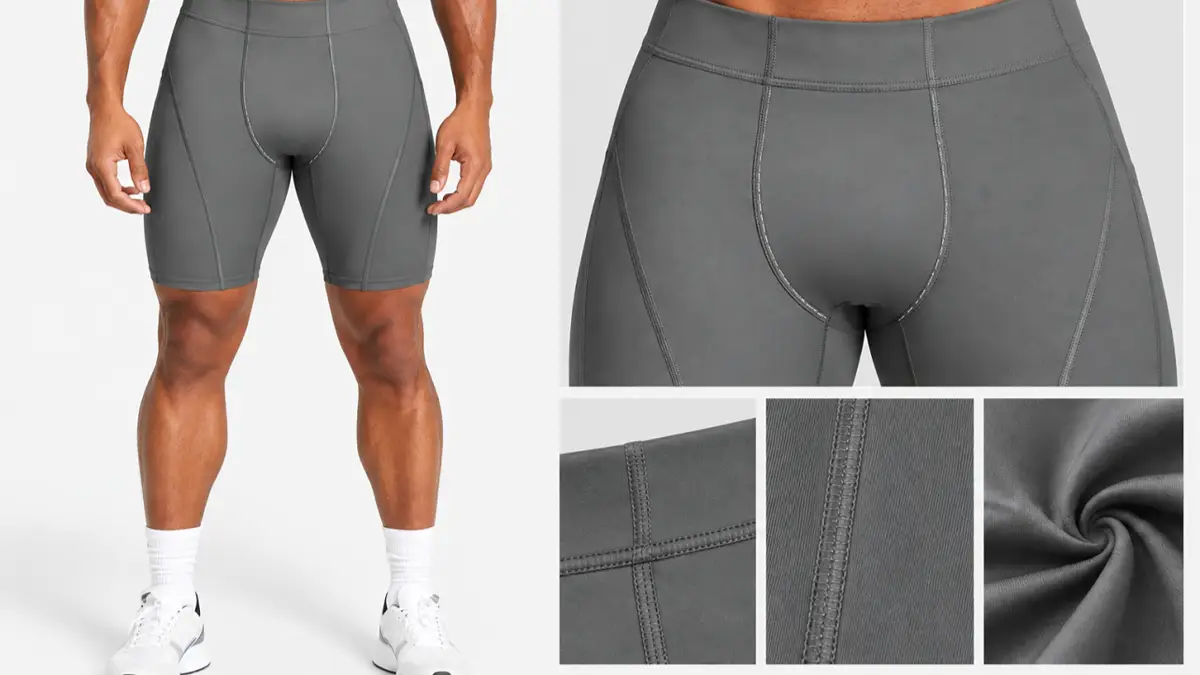
- Pantaloncini da allenamento
- Magliette fondamentali
- Prodotti al dettaglio per palestre
- Tessuti stabili e taglie ripetibili
Linea di discesa del patrimonio (sistema di produzione limitata):
- T-shirt dal lavaggio vintage
- Capi in cotone pesante dal taglio squadrato
- Finiture prelavate e lavate in capo
- Piccoli lotti di produzione controllati
Questa separazione ha consentito a entrambi i tipi di prodotto di mantenere il posizionamento di mercato previsto senza interferire tra loro.
2. Produzione all'ingrosso stabile per palestre affiliate
Per supportare la rete globale di palestre, abbiamo implementato:
- Struttura SKU fissa per un riordino più semplice
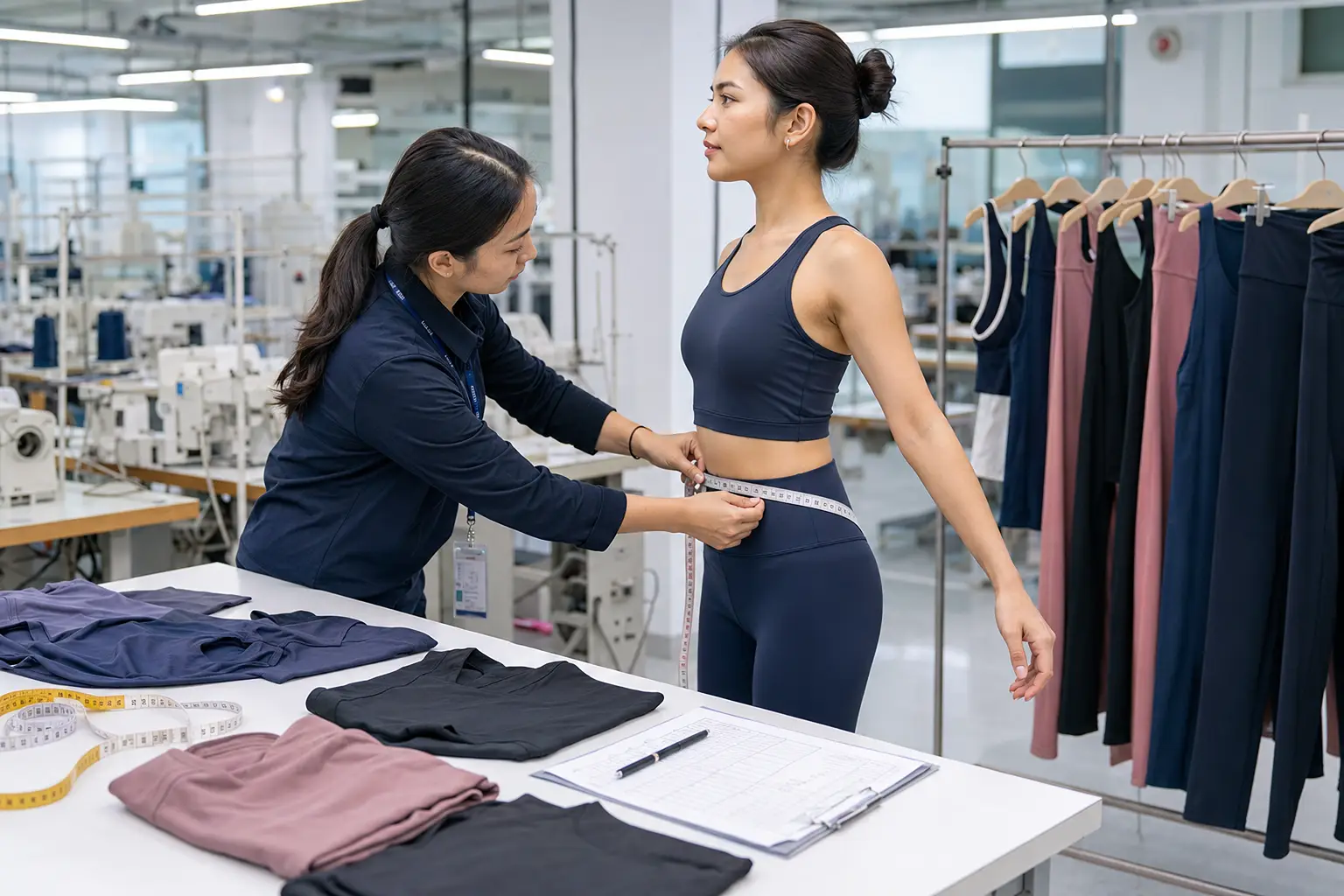
- Classificazione dimensionale standardizzata per coerenza tra lotti
- Tempistiche di produzione B2B prevedibili
- Pianificazione semplificata della produzione di massa per ordini ripetuti
Ciò ha ridotto gli attriti per i partner affiliati e ha migliorato l’efficienza degli acquisti ripetuti.
3. Produzione controllata del calo del patrimonio
Per versioni limitate, la produzione è stata intenzionalmente modificata:
- Approvvigionamento di tessuti separato per capi in stile vintage
- Processi di lavaggio e finitura controllati per replicare la texture invecchiata
- Gestione rigorosa delle quantità per preservare la scarsità
- Controllo di qualità a livello di lotto per evitare variazioni tra le gocce
L’obiettivo non era la scala: era la coerenza nella rarità controllata.
Risultati
- Implementato il sistema di produzione a doppio binario: nucleo + il patrimonio diminuisce
- 48-SLA per l'elaborazione degli ordini di affiliazione B2B raggiunto per ora
- Aumento delle entrate fino a 3 volte durante le settimane di calo del patrimonio rispetto ai periodi di riferimento
Chiave da asporto
Non tutte le sfide produttive riguardano l’aumento della produzione.
Per i marchi storici, il vero requisito è la disciplina operativa:
- Proteggi ciò di cui la comunità già si fida
- Separare la fornitura di massa dalle versioni limitate
- Mantenere la coerenza tra le reti all'ingrosso a lungo termine
In questo caso, il ruolo del partner produttivo non era quello di “accelerare la crescita”, ma per stabilizzare un marchio che già aveva un valore culturale e garantire che non venisse diluito durante la modernizzazione.
Perché i marchi collaborano Sport Sansan
Sansan Sports supporta marchi di abbigliamento storici e guidati dalla comunità con:
- Produzione all'ingrosso di abbigliamento sportivo per reti da palestra
- Sistemi di produzione a doppio binario (massa + gocce limitate)
- Sistemi di dimensionamento e rifornimento coerenti
- Sviluppo controllato di prodotti storici in piccoli lotti
- Stabilità della catena di fornitura OEM a lungo termine