Herencia Fabricante de ropa deportiva · Proveedor mayorista de indumentaria de gimnasio · Sistema de fabricación de doble vía · Escalamiento de marca comunitaria
Panorama del crecimiento
El punto de partida
Esta marca no estaba en una fase de crecimiento, estaba en una fase de estabilidad y reposicionamiento..
Construido durante la era temprana de CrossFit, La marca ya había acumulado un fuerte reconocimiento de la comunidad y una lealtad de los clientes a largo plazo.. Muchos de sus primeros usuarios habían permanecido en la marca durante más de una década..
El nuevo equipo propietario enfrentó un desafío operativo específico:
- Mantener un suministro constante de productos de entrenamiento básicos utilizados en gimnasios afiliados.
- Al mismo tiempo, reintroducir lanzamientos limitados de productos nostálgicos para volver a atraer a los clientes a largo plazo
Desde una perspectiva de fabricación, Esto requirió dos comportamientos de producción completamente diferentes dentro de una cadena de suministro..
Desafíos de fabricación
1. Equilibrando la oferta básica y las caídas limitadas del patrimonio
La línea de productos principal requerida:
- Dimensionamiento estable en tiradas de producción repetidas
- Ciclos de reabastecimiento rápidos para la demanda minorista de gimnasios
- Estándares consistentes de tela y construcción.
Los productos Heritage Drop requirieron el enfoque opuesto:
- Producción de lotes pequeños
- Acabados y tratamientos de prendas de estilo vintage.
- Diferentes pesos y siluetas de tela en comparación con los artículos principales.
Mantener la separación entre estos dos tipos de productos era fundamental. Cualquier superposición de materiales o construcción reduciría el valor percibido de las liberaciones patrimoniales..
2. Gestionar una gran red mayorista de afiliados
La marca operaba a través de miles de gimnasios afiliados a CrossFit en todo el mundo.. Esto creó requisitos operativos más allá de la fabricación estándar de DTC.:
- Estructura estable de precios al por mayor
- Calendarios de entrega predecibles para pedidos B2B
- Disponibilidad constante de productos en todas las regiones
- Sistema de reordenamiento simple para socios de gimnasio que repiten
El desafío no era la generación de demanda, sino satisfacer una oferta B2B consistente sin interrumpir las operaciones minoristas a nivel comunitario..
3. Reactivar clientes inactivos a largo plazo
Una gran parte de la base histórica de clientes de la marca había dejado de comprar regularmente debido a cambios en el ciclo de vida. (edad, frecuencia de entrenamiento, cambio de estilo de vida).
La reactivación del compromiso no dependió únicamente del marketing. requirió:
- Referencias de productos vinculadas a una identidad de marca anterior
- Formatos de productos físicos que reflejaban la estética de la “era original”
- Disponibilidad limitada para recrear urgencia y relevancia.
Esto ejerció una presión adicional sobre la coherencia de la producción en lotes pequeños..
Lo que construimos juntos
1. Sistema de producción de doble vía
Estructuramos la fabricación en 2 Tuberías independientes pero coordinadas.:
Línea de producción central (sistema de reposición):
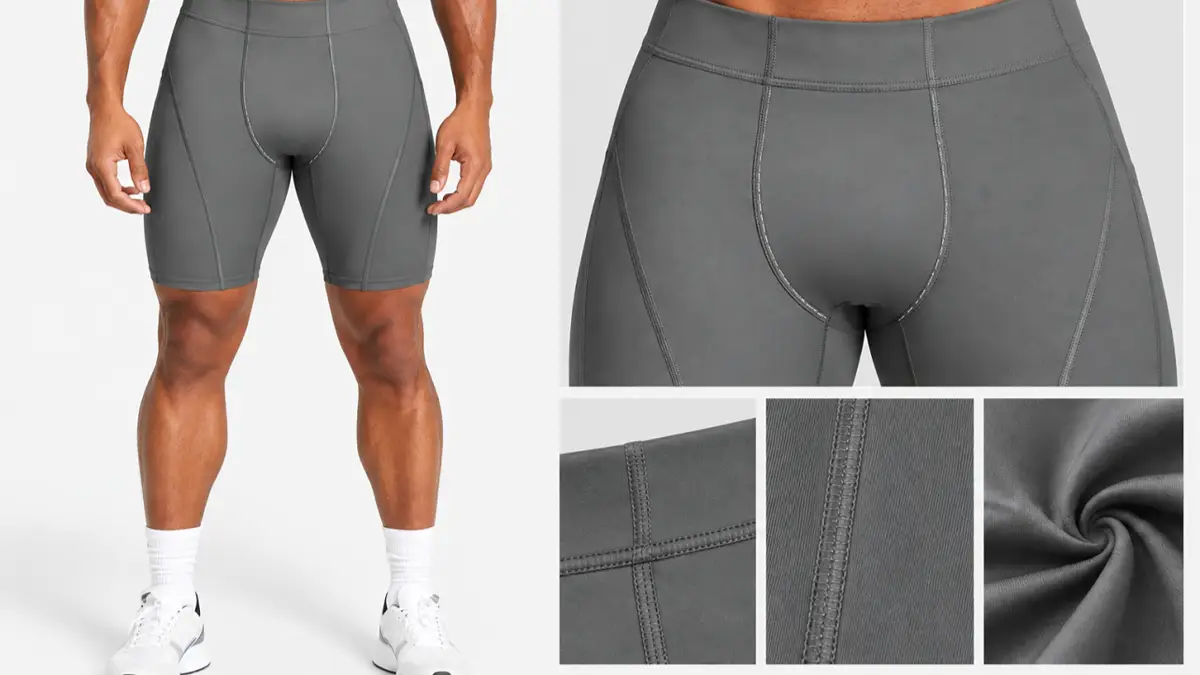
- pantalones cortos de entrenamiento
- Camisetas básicas
- Productos de gimnasio al por menor
- Tejidos estables y tallas repetibles.
Línea de caída del patrimonio (sistema de producción limitada):
- Camisetas con lavado vintage
- Prendas de algodón pesado con corte boxy
- Acabados preencogidos y lavados en prenda.
- Tiradas de producción controladas por lotes pequeños
Esta separación permitió que ambos tipos de productos mantuvieran su posicionamiento previsto en el mercado sin interferir entre sí..
2. Fabricación mayorista estable para gimnasios afiliados.
Para apoyar la red global de gimnasios, implementamos:
- Estructura de SKU fija para facilitar el reordenamiento
- Clasificación de tamaño estandarizada para lograr coherencia en todos los lotes
- Plazos de producción B2B predecibles
- Planificación optimizada de la producción a granel para pedidos repetidos
Esto redujo la fricción para los socios afiliados y mejoró la eficiencia de las compras repetidas..
3. Producción controlada de caída de patrimonio
Para lanzamientos limitados, la producción fue ajustada intencionalmente:
- Abastecimiento independiente de telas para prendas de estilo vintage
- Procesos controlados de lavado y acabado para replicar la textura envejecida.
- Gestión estricta de cantidades para preservar la escasez
- Control de calidad a nivel de lote para evitar variaciones entre gotas
El objetivo no era la escala, sino la coherencia en una rareza controlada.
Resultados
- Implementado sistema de producción de doble vía: centro + gotas de herencia
- 48-hora de procesamiento de pedidos de afiliados B2B alcanzado el SLA
- Aumento de ingresos de hasta 3 veces durante las semanas de caída del patrimonio en comparación con los períodos de referencia
Conclusión clave
No todos los desafíos de fabricación tienen que ver con el aumento de la producción.
Para marcas tradicionales, El verdadero requisito es la disciplina operativa.:
- Proteger lo que la comunidad ya confía
- Separar el suministro masivo de los lanzamientos limitados
- Mantenga la coherencia en las redes mayoristas a largo plazo
En este caso, el papel del socio fabricante no era “acelerar el crecimiento”, sino estabilizar una marca que ya tenía valor cultural y garantizar que no se diluya durante la modernización..
Por qué las marcas trabajan con Deportes Sansan
Sansan Sports apoya marcas de ropa tradicionales e impulsadas por la comunidad con:
- Fabricación de ropa deportiva al por mayor para redes de gimnasios.
- Sistemas de producción de doble vía (a granel + gotas limitadas)
- Sistemas consistentes de dimensionamiento y reabastecimiento
- Desarrollo controlado de productos tradicionales en lotes pequeños
- Estabilidad de la cadena de suministro OEM a largo plazo