Heritage スポーツウェアメーカー · Wholesale Gym Apparel Supplier · Dual-Track Manufacturing System · Community Brand Scaling
成長のスナップショット
出発点
This brand was not in a growth phase — it was in a stability and repositioning phase.
Built during the early CrossFit era, the brand had already accumulated strong community recognition and long-term customer loyalty. Many of its early users had stayed with the brand for more than a decade.
The new ownership team faced a specific operational challenge:
- Maintain consistent supply for core training products used in affiliate gyms
- 同時に, reintroduce limited nostalgic product drops to re-engage long-term customers
From a manufacturing perspective, this required two completely different production behaviors within one supply chain.
製造上の課題
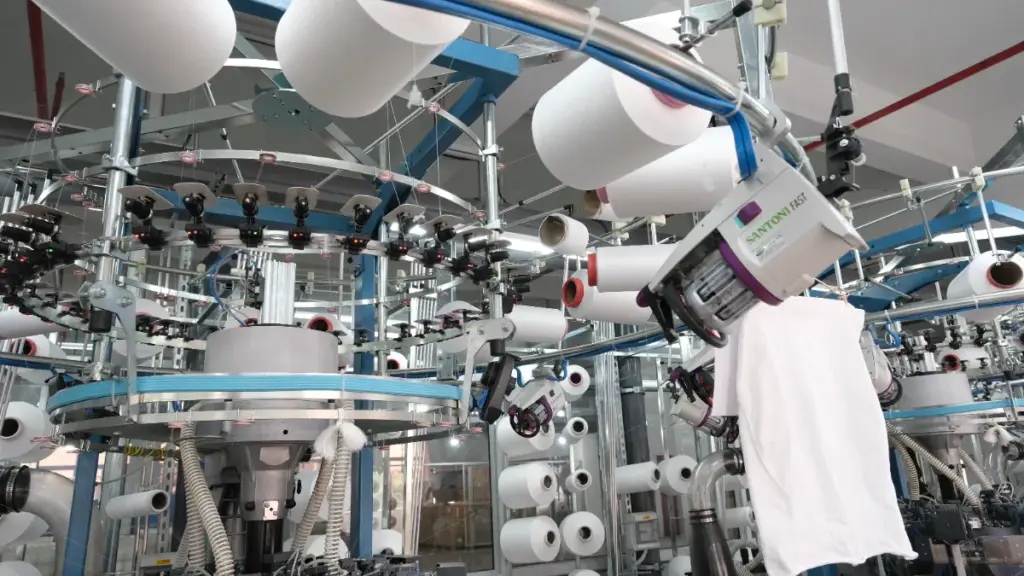
1. Balancing core supply and limited heritage drops
The core product line required:
- Stable sizing across repeated production runs
- Fast replenishment cycles for gym retail demand
- Consistent fabric and construction standards
The heritage drop products required the opposite approach:
- Small batch production
- Vintage-style finishing and garment treatments
- Different fabric weights and silhouettes compared to core items
Maintaining separation between these two product types was critical. Any overlap in material or construction would reduce the perceived value of the heritage releases.
2. Managing a large affiliate wholesale network
The brand operated through thousands of CrossFit affiliate gyms globally. This created operational requirements beyond standard DTC manufacturing:
- Stable wholesale pricing structure
- Predictable delivery schedules for B2B orders
- Consistent product availability across regions
- Simple reordering system for repeat gym partners
The challenge was not demand generation — it was fulfilling consistent B2B supply without disrupting community-level retail operations.
3. Reactivating long-term inactive customers
A large portion of the brand’s historical customer base had stopped purchasing regularly due to lifecycle changes (age, training frequency, lifestyle shift).
Re-engagement did not rely on marketing alone. It required:
- Product references tied to earlier brand identity
- Physical product formats that reflected “original era” aesthetics
- Limited availability to recreate urgency and relevance
This placed additional pressure on production consistency for small-batch runs.
私たちが一緒に築いたもの
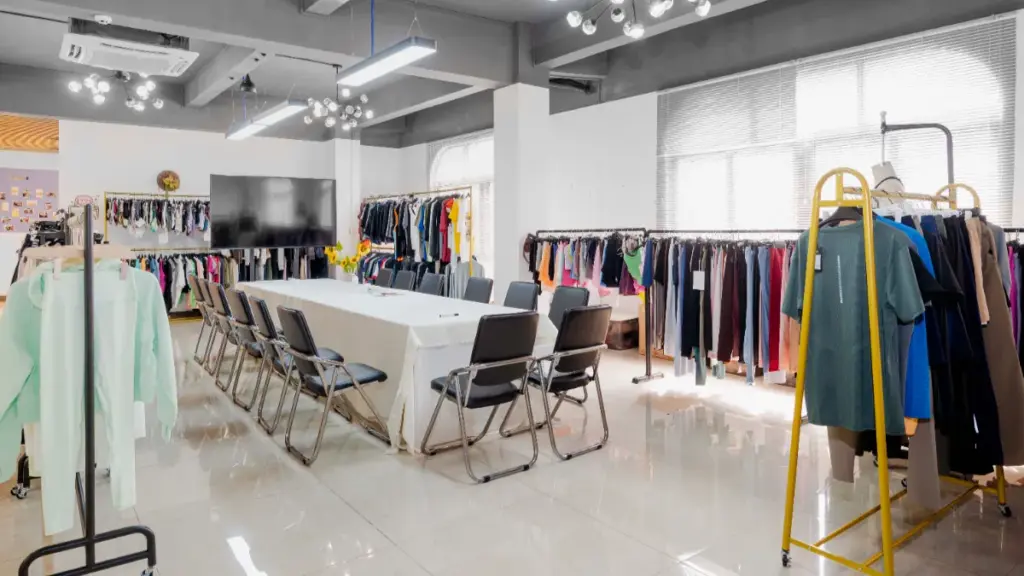
1. Dual-track production system
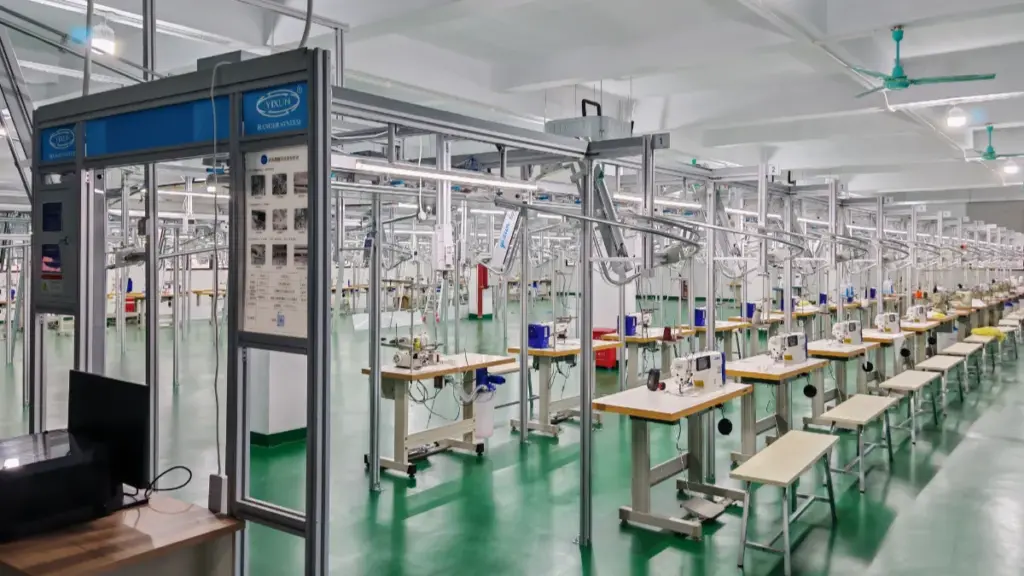
We structured manufacturing into 2 independent but coordinated pipelines:
Core production line (replenishment system):
- Training shorts
- Core T-shirts
- Gym retail products
- Stable fabrics and repeatable sizing
Heritage drop line (limited production system):
- Vintage-wash T-shirts
- Boxy-fit heavyweight cotton garments
- Pre-shrunk and garment-washed finishes
- Small batch controlled production runs
This separation allowed both product types to maintain their intended market positioning without interfering with each other.
2. Stable wholesale manufacturing for affiliate gyms
To support the global gym network, we implemented:
- Fixed SKU structure for easier reordering
- Standardized size grading for consistency across batches
- Predictable B2B production timelines
- Streamlined bulk production planning for repeat orders
This reduced friction for affiliate partners and improved repeat purchase efficiency.
3. Controlled heritage drop production
For limited releases, production was intentionally adjusted:
- Separate fabric sourcing for vintage-style garments
- Controlled wash and finishing processes to replicate aged texture
- Tight quantity management to preserve scarcity
- Batch-level quality control to avoid variation between drops
The goal was not scale — it was consistency in controlled rarity.
結果
- Dual-track production system implemented: core + heritage drops
- 48-hour B2B affiliate order processing SLA achieved
- Up to 3x revenue uplift during heritage drop weeks vs baseline periods
重要なポイント
Not every manufacturing challenge is about scaling output.
For heritage brands, the real requirement is operational discipline:
- Protect what the community already trusts
- Separate mass supply from limited releases
- Maintain consistency across long-term wholesale networks
この場合, the role of the manufacturing partner was not to “accelerate growth”, but to stabilize a brand that already had cultural value and ensure it was not diluted during modernization.
Why Brands Work With サンサンスポーツ
Sansan Sports supports heritage and community-driven apparel brands with:
- Wholesale sportswear manufacturing for gym networks
- Dual-track production systems (bulk + limited drops)
- Consistent sizing and replenishment systems
- Controlled small-batch heritage product development
- Long-term OEM supply chain stability