
Brushed Back Technology: Warmth Without Bulk in Winter Activewear
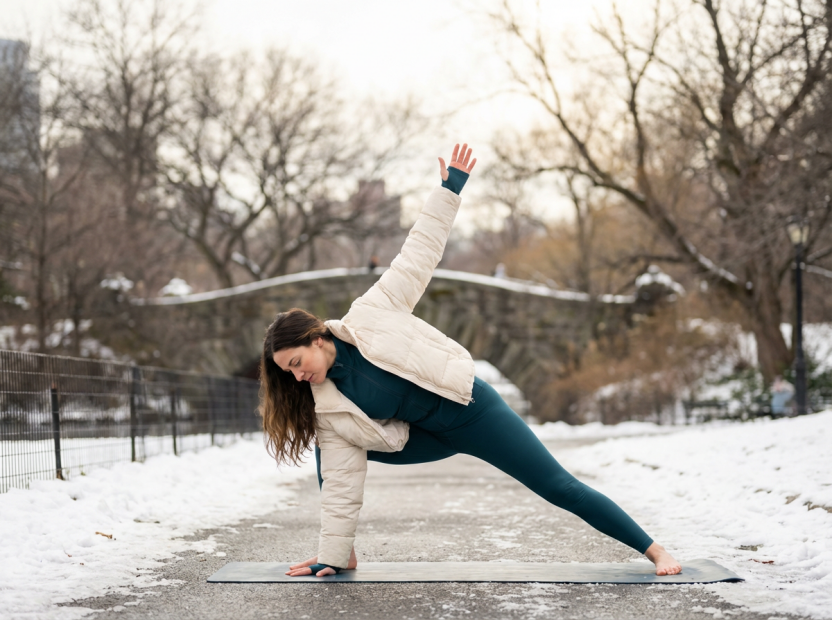
Stay warm without the bulk. Explore brushed back technology powering lightweight, breathable winter activewear for peak performance.
The Spandex Content Myth: Is More Always Better?
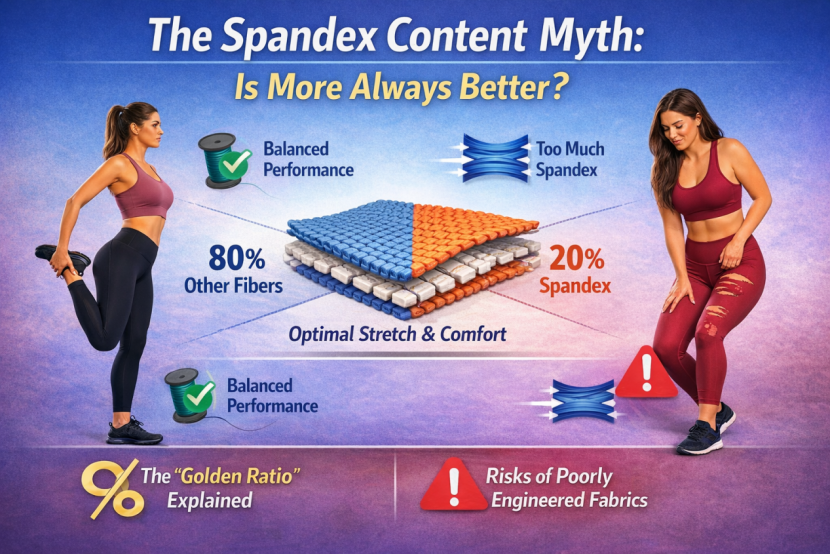
Is higher spandex content always better? Explore the truth behind fabric stretch, comfort, durability, and performance.
PCM Black Tech: Smart Fabrics That Regulate Temperature
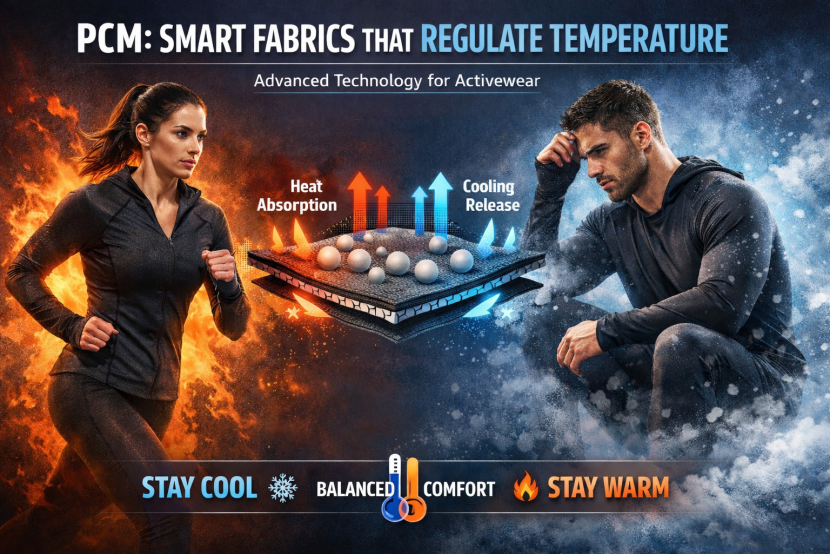
Explore PCM Black Tech smart fabrics that regulate temperature, enhancing comfort, performance, and innovation in modern textiles.
Plant-Based Performance Fabrics: Bamboo & TENCEL™ Lyocell in Activewear
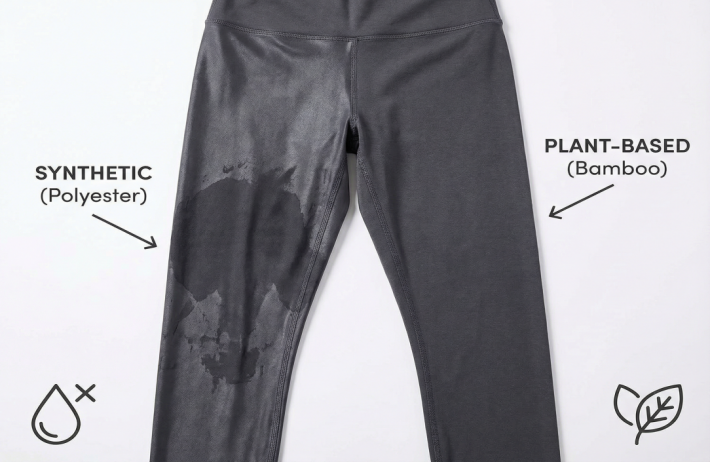
Plant-based performance fabrics explained: bamboo and TENCEL™ lyocell deliver softness, and moisture-wicking comfort for activewear.
Why Do Expensive Leggings Pill After Two Wears?
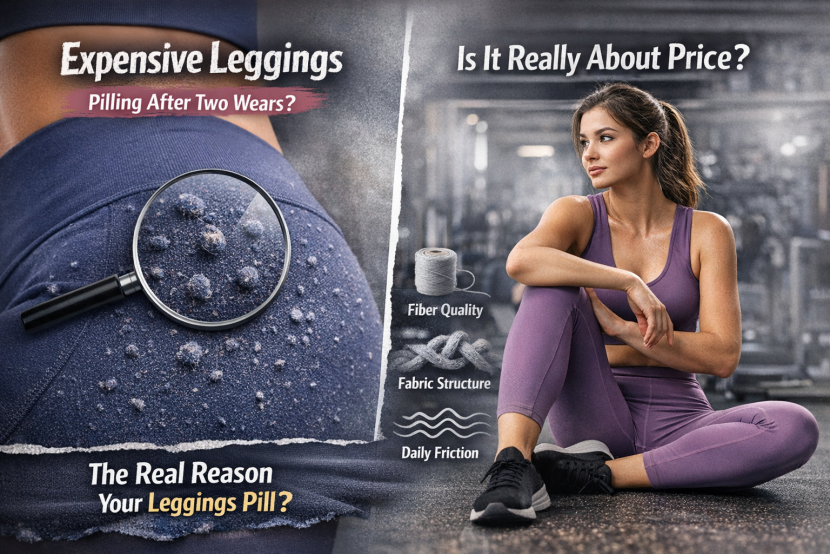
Premium leggings pilling after two wears? Learn why it happens, how fabric quality matters, and smart tips to keep leggings smooth longer.
Why Fabric Modulus Matters in Yoga Wear
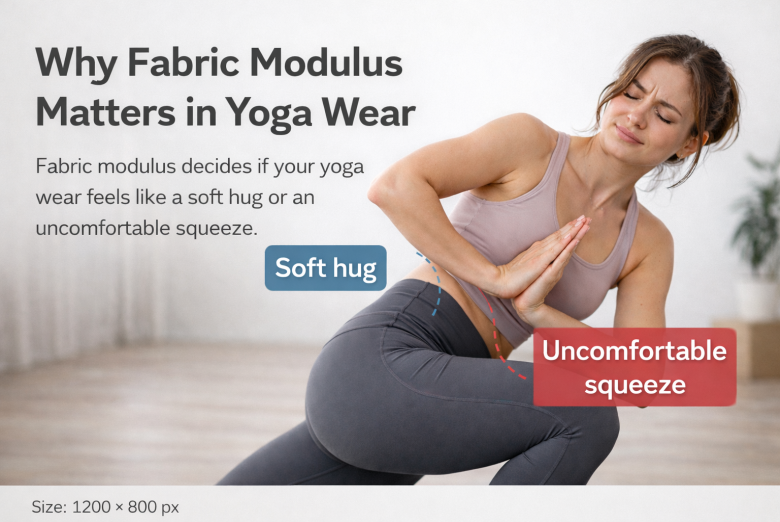
Learn why fabric modulus matters in yoga wear and how it affects stretch, support, comfort, and performance during every pose.
Nylon vs. Polyester: Finding the Right Fabric for Your Workout
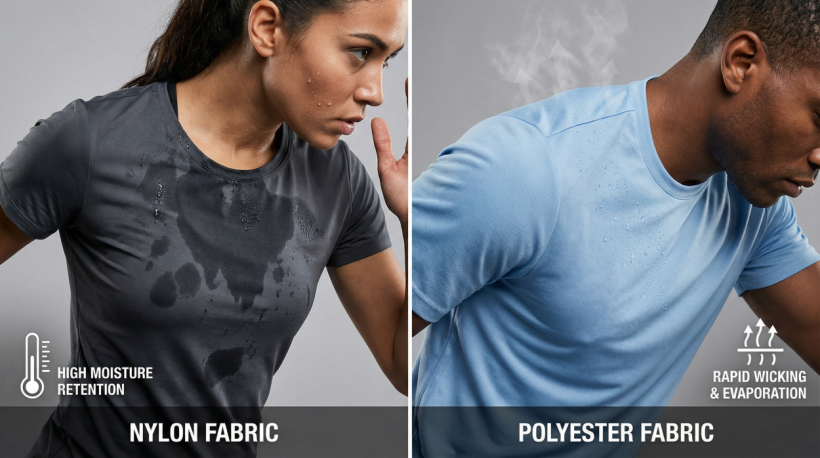
Nylon or polyester? Explore the key differences in performance, comfort, and durability to choose the best workout fabric.
Types of Cloth Fabric: Comprehensive Guide for Designers & Buyers
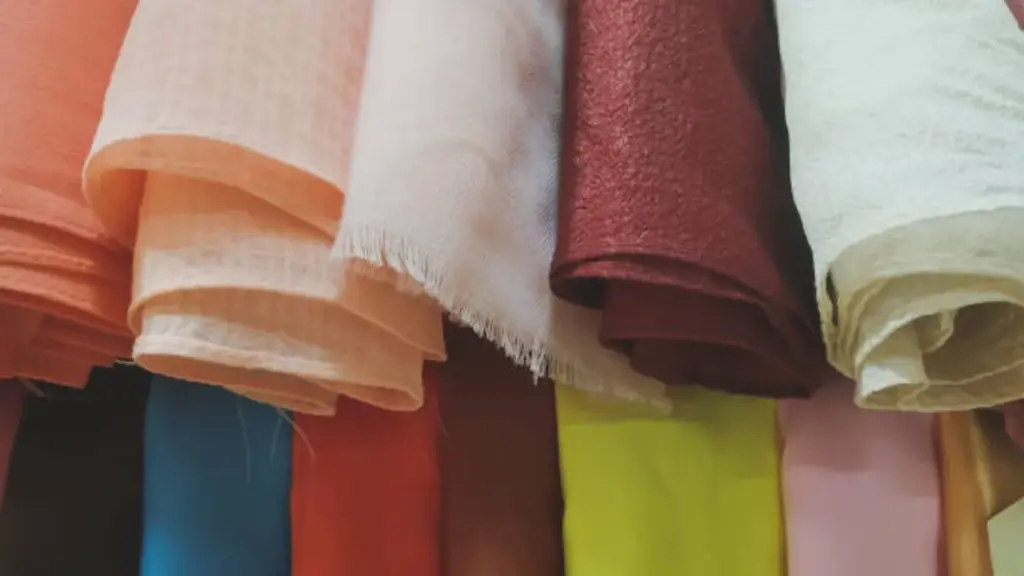
This guide provides a precise breakdown of materials from natural cotton and linen to advanced synthetics like nylon and spandex. We detail specific metrics, including ISO 2076 standards and optimal gsm ranges, to ensure informed material selection for your next collection. The Main Types of Cloth Fabric Explained In 2026, we classify the main types […]
Econyl® Regenerated Nylon: Turning Ocean Waste into Activewear
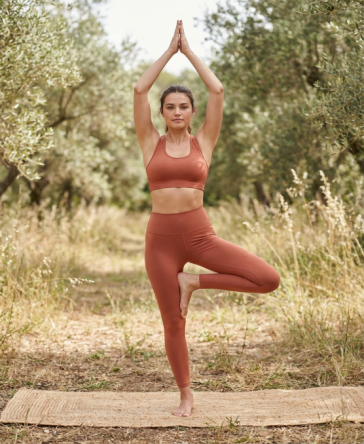
Econyl® regenerated nylon turns ocean waste into high-performance activewear, blending sustainability with durability and sleek style.
How GSM Affects Leggings: 300gsm vs 220gsm for Squat-Proof Comfort
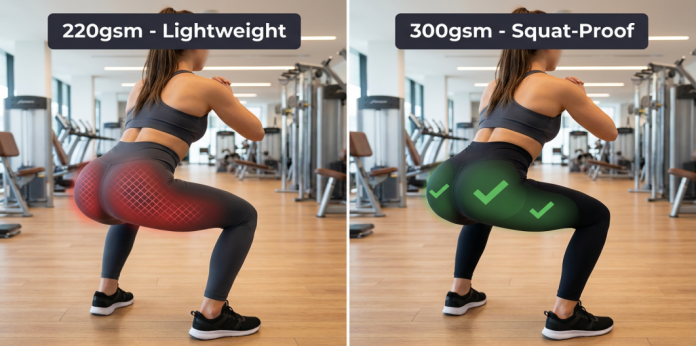
GSM defines coverage and confidence. Compare 300gsm vs 220gsm leggings for true squat-proof comfort and support. Don’t miss out!


