>

Activewear Manufacturer Case Study | Dual Supply Chain Strategy

Activewear Manufacturer Case Study | Dual Supply Chain Strategy

目次

アクティブウェアメーカー · Dual Sourcing Strategy · Cost Optimization · OEM Sportswear Production · USA + Asia Supply Chain

Growth Snapshot

メトリック 結果
Revenue Trend at Inflection Point -20% 前年比
Retail Price Range (レギンス) $90–$130 USD
Campaign Revenue (App Channel) $220K
Core High-Value Customer Base 50K+ Customers

The Starting Point

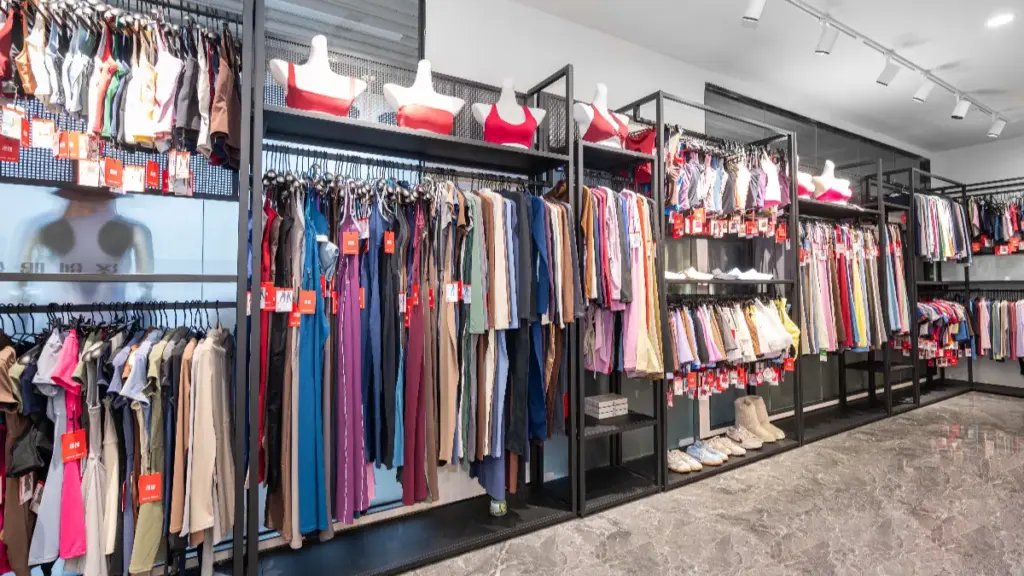
different types of fabric in samples room

This brand had spent years building its positioning around a domestic manufacturing model in Los Angeles.

“Made in USA” was not a marketing angle — it was part of the brand identity and pricing structure.

しかし, over time, the cost structure created pressure:

  • Domestic production costs were significantly higher than overseas alternatives
  • New competitors entered the market with visually similar products at much lower retail prices
  • Revenue began to decline as price-sensitive customers shifted away

The challenge was no longer product quality. It was structural margin competitiveness.

Manufacturing Challenges

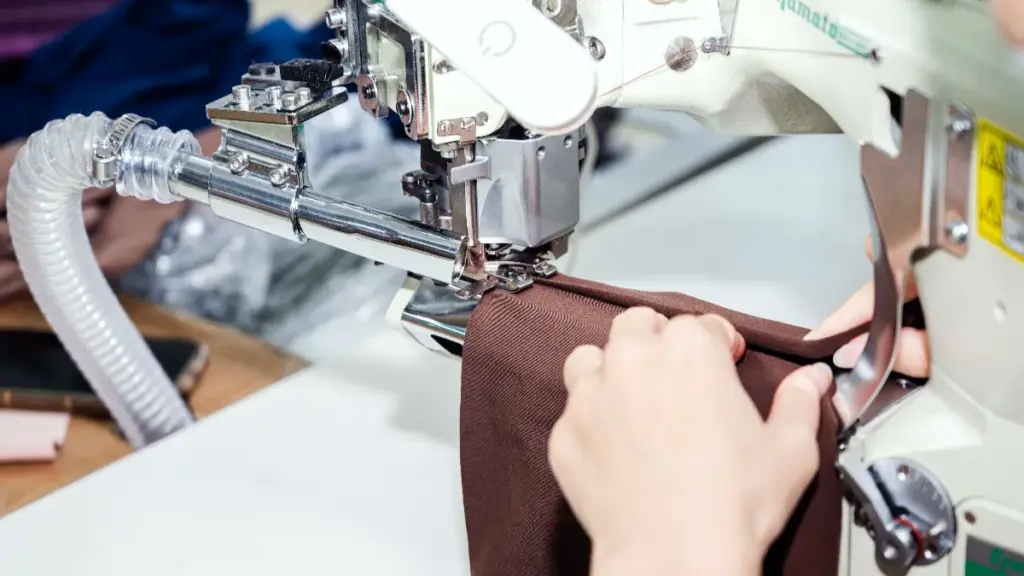
sewing accessories

1. Margin pressure without damaging brand equity

Any shift in production geography risked being perceived as a downgrade.
For a premium activewear brand, even perception changes can affect customer retention and resale behavior.

The transition needed to preserve:

  • Product quality consistency
  • Customer trust in core SKUs
  • Brand positioning in premium segment

2. Replicating a proprietary fabric system

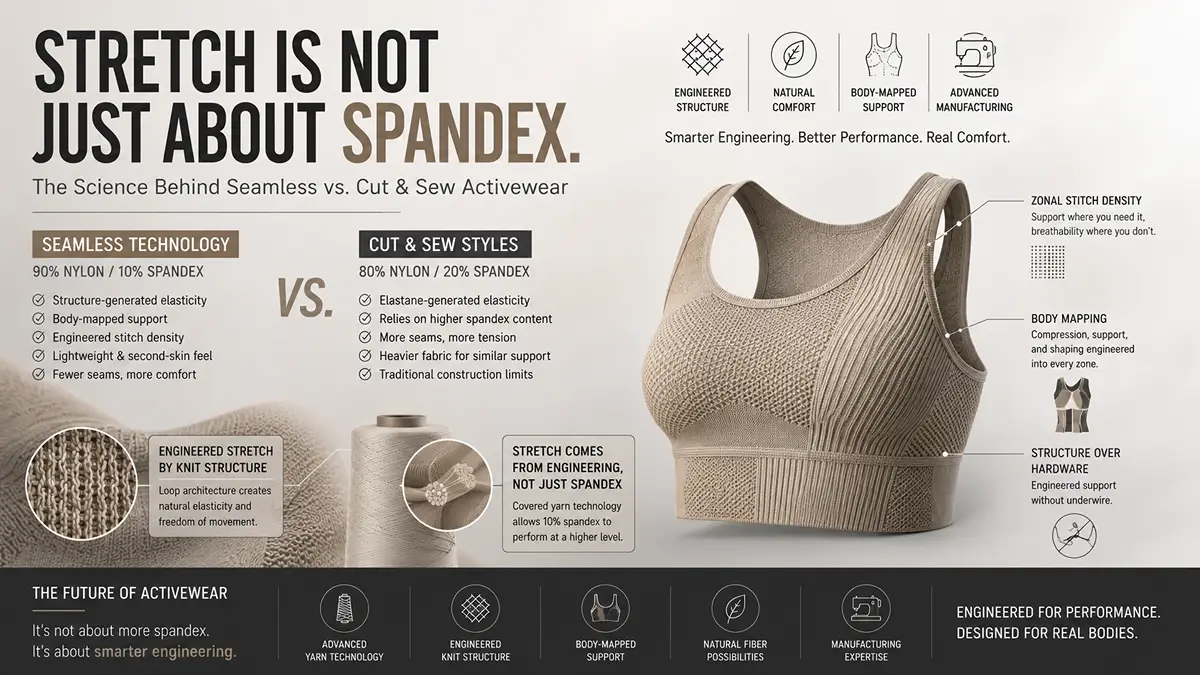
The brand’s signature fabric blend (ナイロン / polypro / spandex combination) was central to its performance identity.

Reproducing this outside the original domestic supply base required:

  • Multiple fabric development iterations
  • Testing for compression, moisture behavior, and stretch recovery
  • Validation against existing product benchmarks

This was not a sourcing task — it was a fabric engineering exercise.

3. SKU prioritization under limited transition capacity

Not all product lines could be transitioned at once.

We had to prioritize:

  • High-volume SKUs driving revenue pressure
  • Low-risk categories for early migration
  • Products with minimal design sensitivity from customers

This ensured margin recovery started early while protecting core brand perception.

What We Built Together

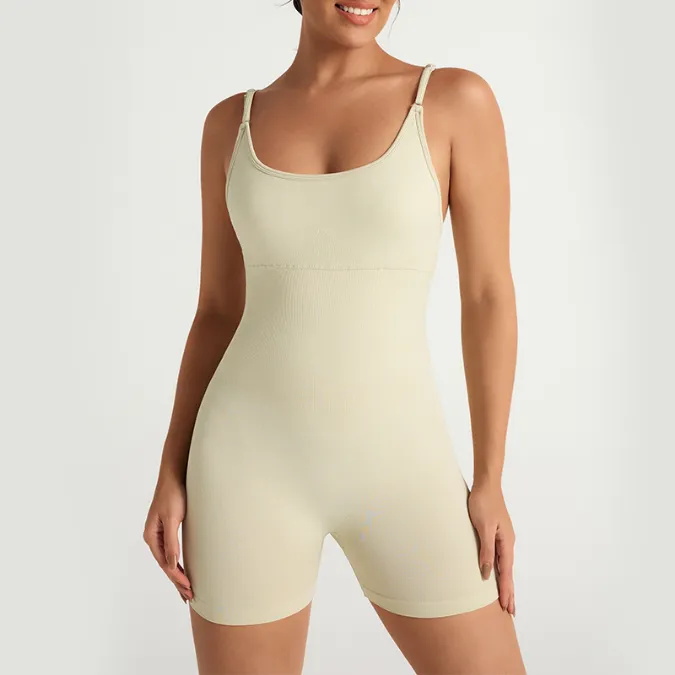
Women's tight-fitting jumpsuit
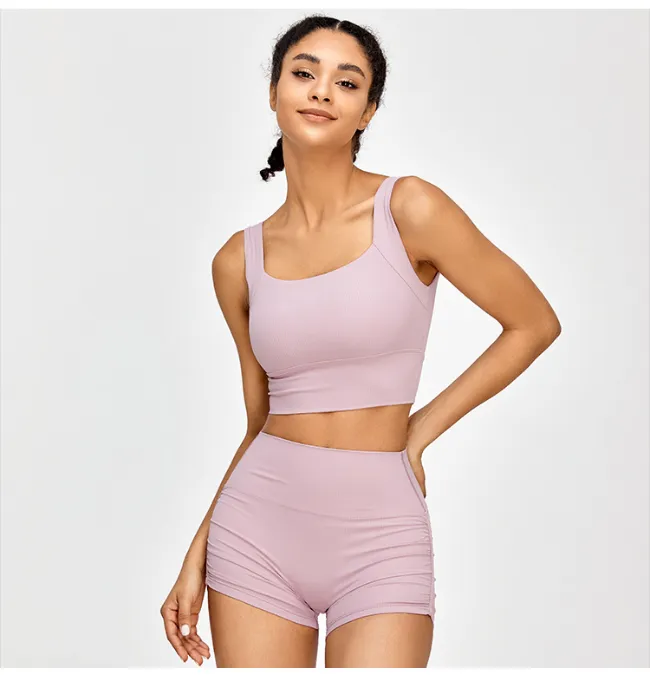
Women

1. Dual supply chain structure

We implemented a two-tier production model:

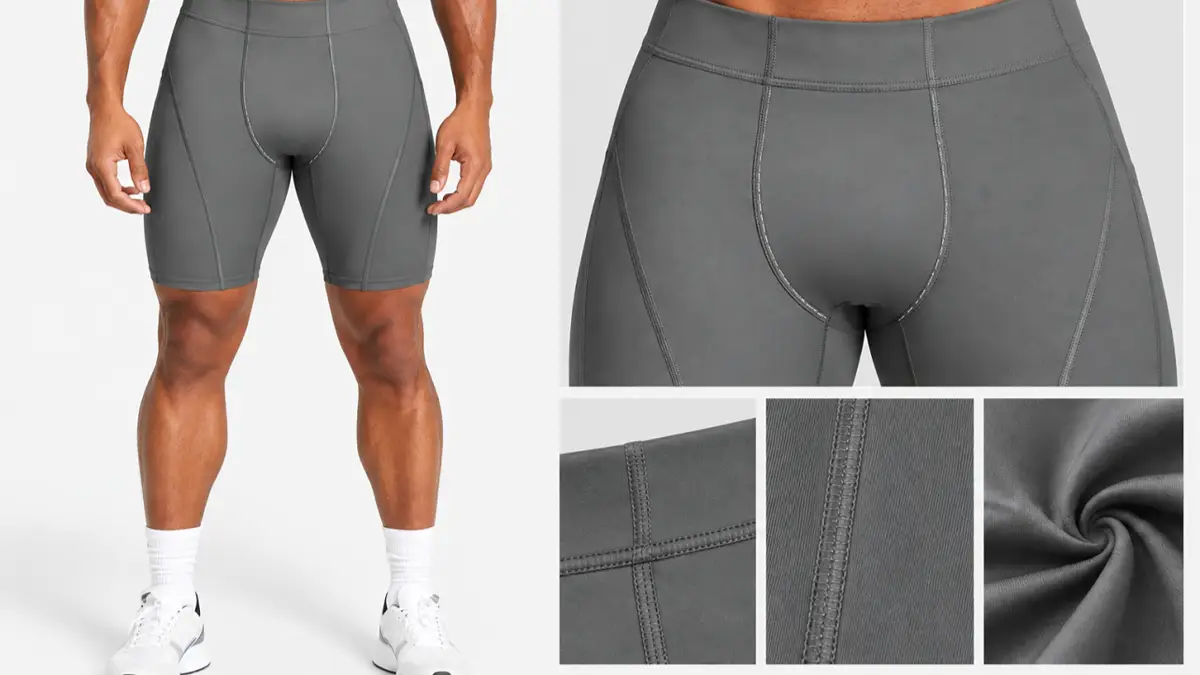
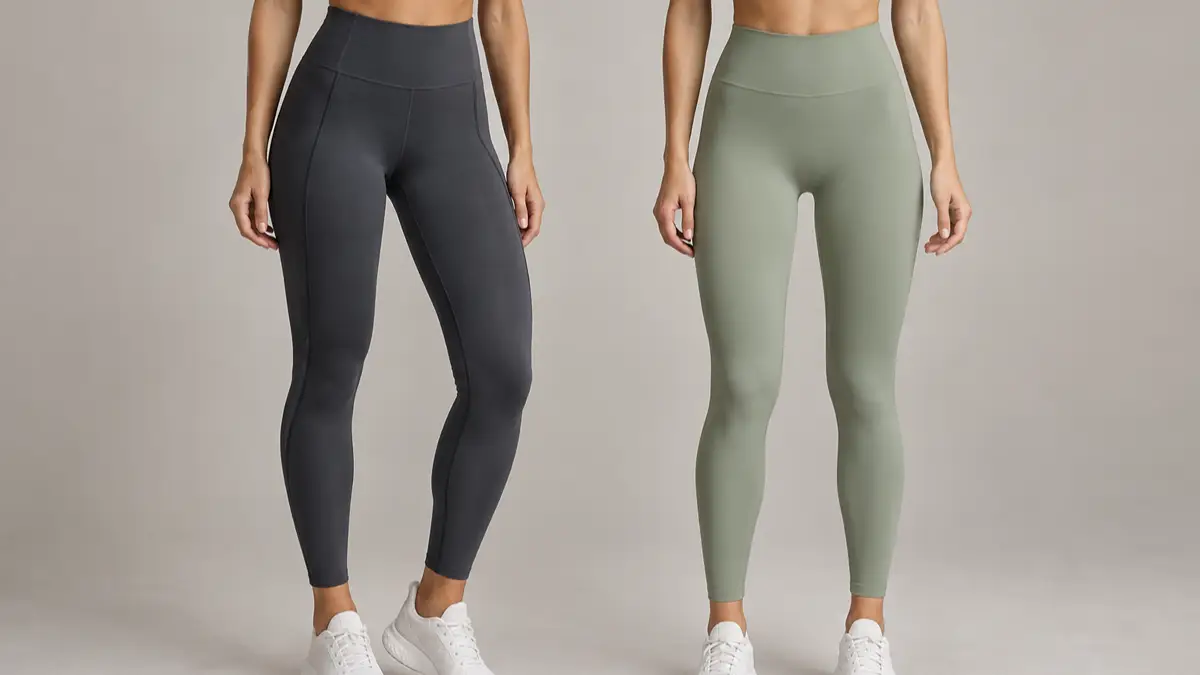
  • Domestic production (アメリカ合衆国): core signature leggings requiring specific technical positioning
  • Asia-based OEM production: new categories including rest-day wear, swim, とアクセサリー

This allowed the brand to maintain its identity while improving cost structure.

2. Product repositioning without brand dilution

To avoid conflict with “Made in USA” positioning, we adjusted labeling strategy:

  • Shifted from origin-based messaging
  • To product-based value messaging (デザイン + performance focus)

This reduced customer friction while maintaining transparency.

3. Phased SKU migration strategy

We introduced production changes in controlled phases:

  • Phase 1: non-core SKUs moved first
  • Phase 2: high-volume repeat products optimized for cost efficiency
  • Phase 3: evaluation of remaining domestic-only items

This minimized disruption while maximizing early margin recovery.

Results

  • +18 percentage points gross margin improvement on transitioned SKUs
  • No quality complaints reported post-transition
  • Improved cash flow enabled expansion into app + wholesale channels

Key Takeaway

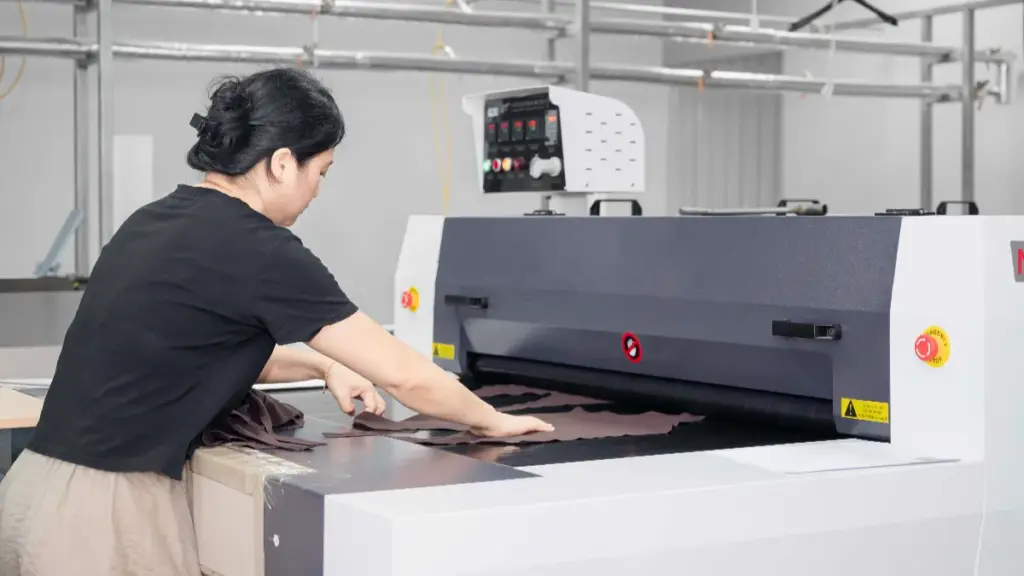
activewear manufacturing process

Supply chain structure is not just an operational decision — it directly defines brand scalability.

The most successful brands are not the ones that keep a single manufacturing philosophy at all costs, but those that understand:

  • what must remain fixed to protect brand equity
  • what can be optimized to improve competitiveness

A manufacturing partner’s role is to help define that boundary clearly and execute it without compromising product integrity.

Why Brands Work with サンサンスポーツ

Sansan Sports supports apparel brands with:

  • Dual sourcing supply chain strategies (アメリカ合衆国 / Asia hybrid models)
  • OEM activewear production optimization
  • Fabric replication and development for existing brands
  • Cost structure optimization without brand repositioning loss
  • Scalable manufacturing for premium DTC brands

バーバラ・ウォン

SANSANSUN Sports の共同創設者兼ビジネスリーダー, 成長する世界的ブランドと提携するデザイン主導のアクティブウェア メーカー.


過去10年間にわたって, 私は創業者と緊密に協力してきました, デザイナー, ヨーロッパ各地の製品チームと, 米国, 中東 - アイデアをスケーラブルなコレクションに変えるのを支援. 私の焦点は生産だけではありません, ただし、長期的なブランド成長をサポートする反復可能な製品システムの構築が重要です。.


優れたアクティブウェアはトレンドや価格によって作られるものではないと私は信じています, しかし、生地の配置によって, 関数, ユーザーエクスペリエンスと. 弊社のMDMDシステムを通じて (材料-設計-製造-納品), 私たちはブランドが開発リスクを軽減できるよう支援します, 一貫性を向上させる, 自信を持ってより速く行動できます.


このブログで, 工場現場からの洞察を共有します, 実際のクライアントの事例, 製品開発に関する実践的な考え方, ファブリック戦略, アクティブウェア業界における課題の拡大と拡大.

連絡する

人気のブログ

It seems we can't find what you're looking for.

次のベストセラー コレクションを発売する準備ができました?

デザインを提供するパートナーと協力する, スピード, 信頼性も一緒に. 私たちが助けてくれました 200+ 成長中のブランドの立ち上げが迅速化される, よりスマートにスケールする, そして彼らの市場で勝つ. 次はあなたかもしれません.