>

Activewear Manufacturer Case Study | Dual Supply Chain Strategy

Activewear Manufacturer Case Study | Dual Supply Chain Strategy

목차

활동복 제조업체 · Dual Sourcing Strategy · Cost Optimization · OEM Sportswear Production · USA + Asia Supply Chain

Growth Snapshot

미터법 Result
Revenue Trend at Inflection Point -20% YoY
Retail Price Range (레깅스) $90–$130 USD
Campaign Revenue (App Channel) $220K
Core High-Value Customer Base 50K+ Customers

The Starting Point

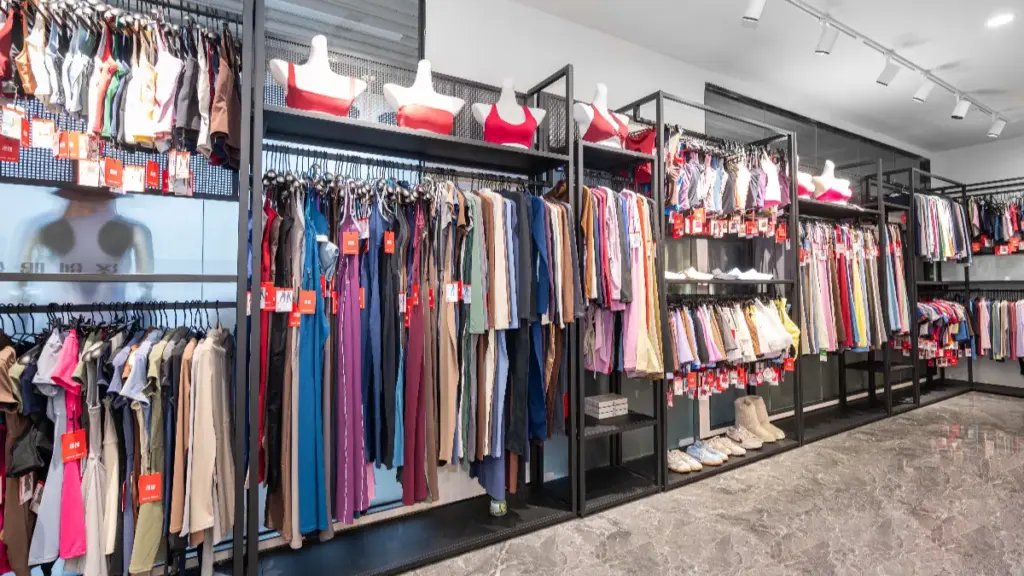
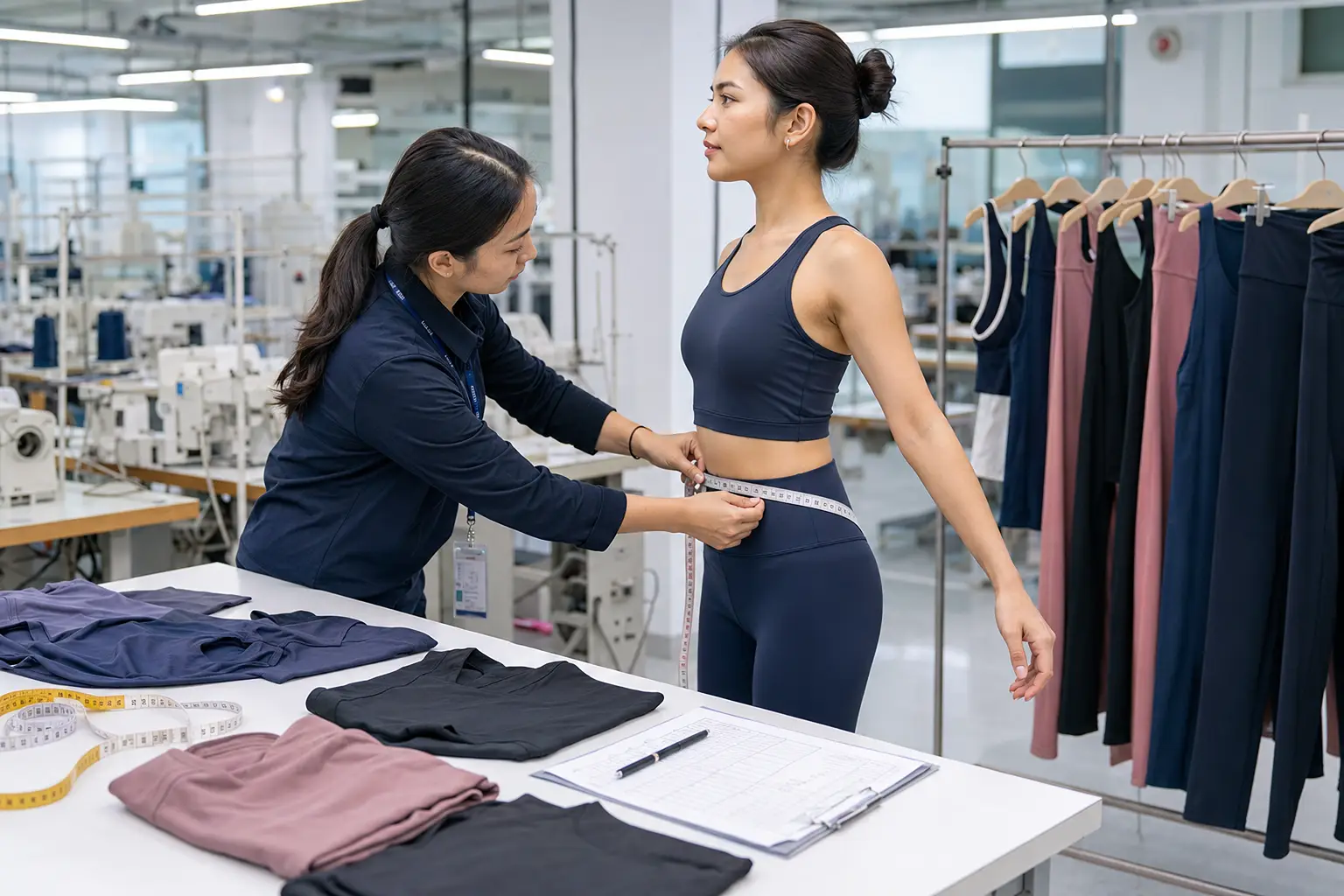
different types of fabric in samples room

This brand had spent years building its positioning around a domestic manufacturing model in Los Angeles.

“Made in USA” was not a marketing angle — it was part of the brand identity and pricing structure.

하지만, over time, the cost structure created pressure:

  • Domestic production costs were significantly higher than overseas alternatives
  • New competitors entered the market with visually similar products at much lower retail prices
  • Revenue began to decline as price-sensitive customers shifted away

The challenge was no longer product quality. It was structural margin competitiveness.

Manufacturing Challenges

sewing accessories

1. Margin pressure without damaging brand equity

Any shift in production geography risked being perceived as a downgrade.
For a premium activewear brand, even perception changes can affect customer retention and resale behavior.

The transition needed to preserve:

  • Product quality consistency
  • Customer trust in core SKUs
  • Brand positioning in premium segment

2. Replicating a proprietary fabric system

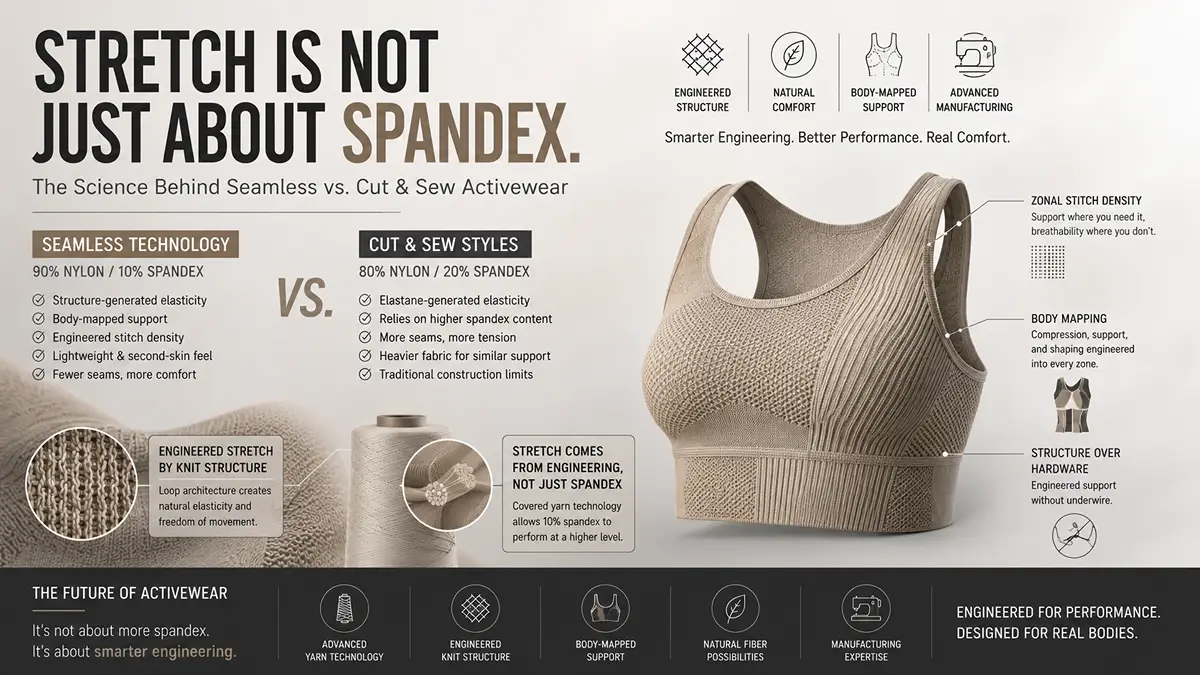
The brand’s signature fabric blend (나일론 / polypro / spandex combination) was central to its performance identity.

Reproducing this outside the original domestic supply base required:

  • Multiple fabric development iterations
  • Testing for compression, moisture behavior, and stretch recovery
  • Validation against existing product benchmarks

This was not a sourcing task — it was a fabric engineering exercise.

3. SKU prioritization under limited transition capacity

Not all product lines could be transitioned at once.

We had to prioritize:

  • High-volume SKUs driving revenue pressure
  • Low-risk categories for early migration
  • Products with minimal design sensitivity from customers

This ensured margin recovery started early while protecting core brand perception.

What We Built Together

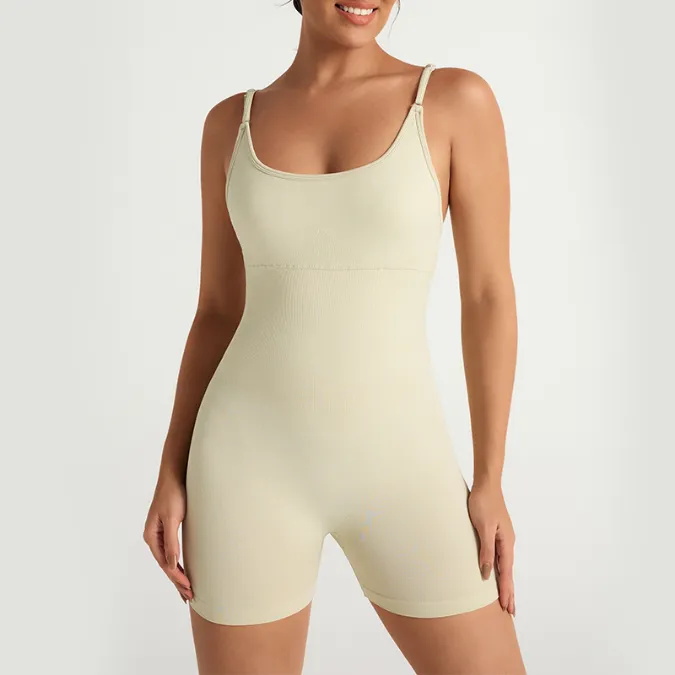
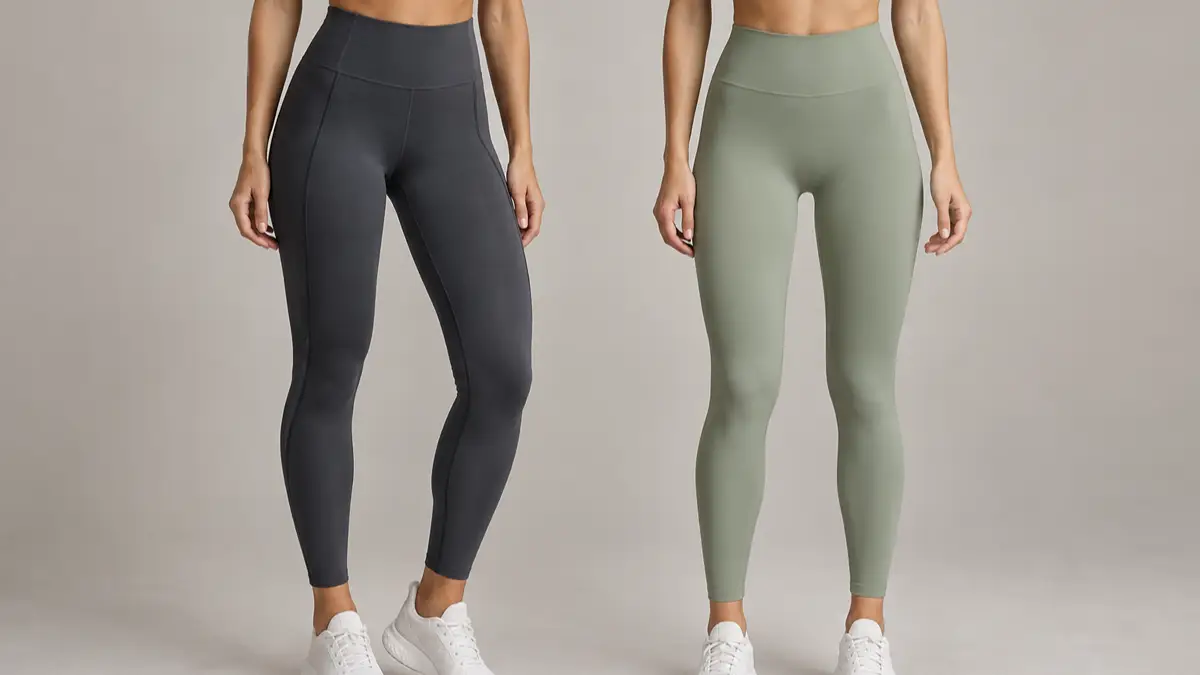
Women's tight-fitting jumpsuit
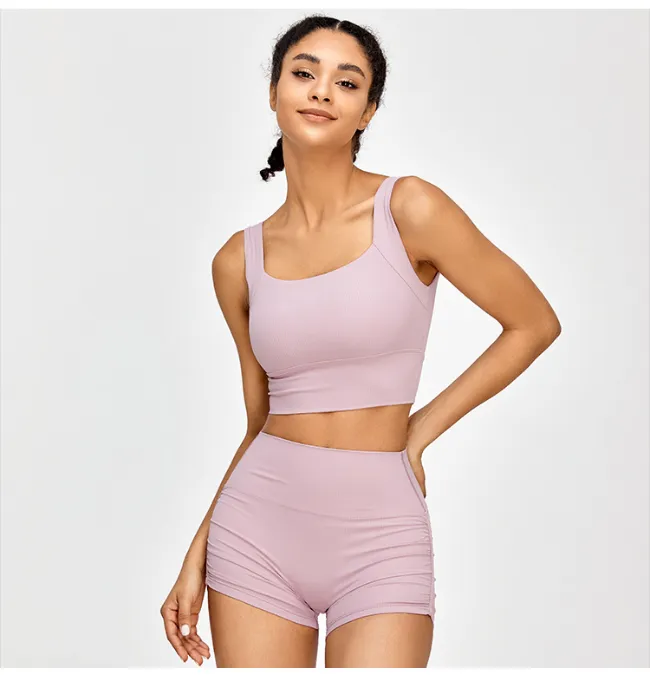
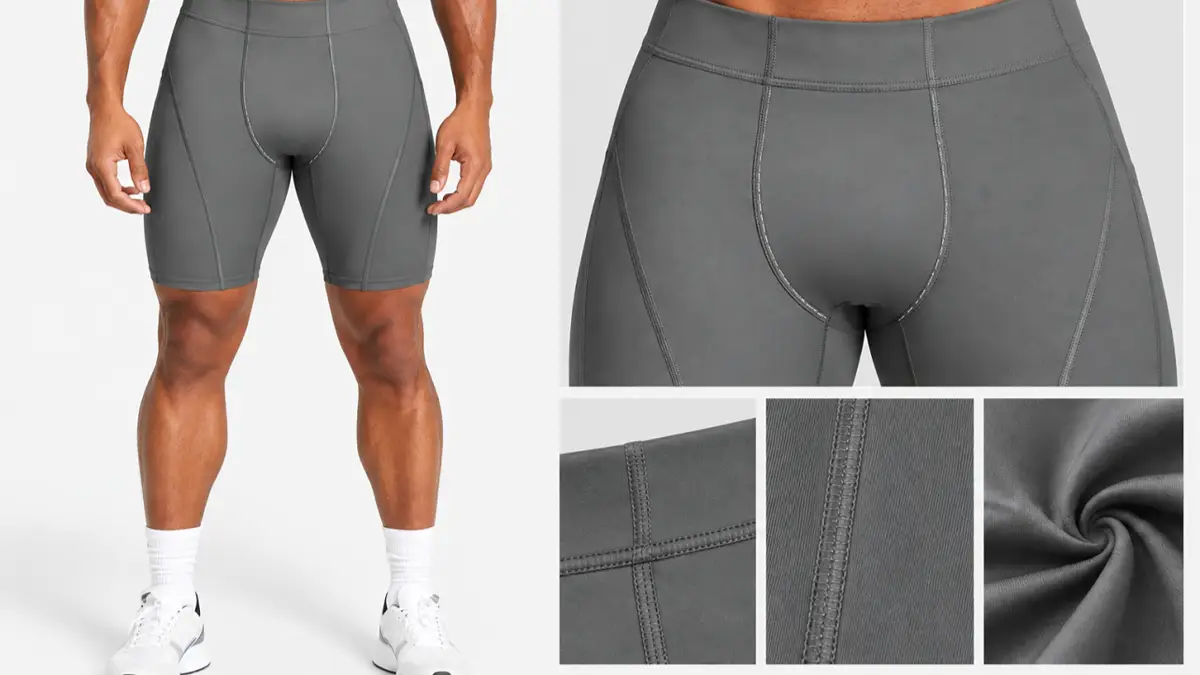
Women

1. Dual supply chain structure

We implemented a two-tier production model:

  • Domestic production (USA): core signature leggings requiring specific technical positioning
  • Asia-based OEM production: new categories including rest-day wear, swim, and accessories

This allowed the brand to maintain its identity while improving cost structure.

2. Product repositioning without brand dilution

To avoid conflict with “Made in USA” positioning, we adjusted labeling strategy:

  • Shifted from origin-based messaging
  • To product-based value messaging (설계 + performance focus)

This reduced customer friction while maintaining transparency.

3. Phased SKU migration strategy

We introduced production changes in controlled phases:

  • Phase 1: non-core SKUs moved first
  • Phase 2: high-volume repeat products optimized for cost efficiency
  • Phase 3: evaluation of remaining domestic-only items

This minimized disruption while maximizing early margin recovery.

Results

  • +18 percentage points gross margin improvement on transitioned SKUs
  • No quality complaints reported post-transition
  • Improved cash flow enabled expansion into app + wholesale channels

Key Takeaway

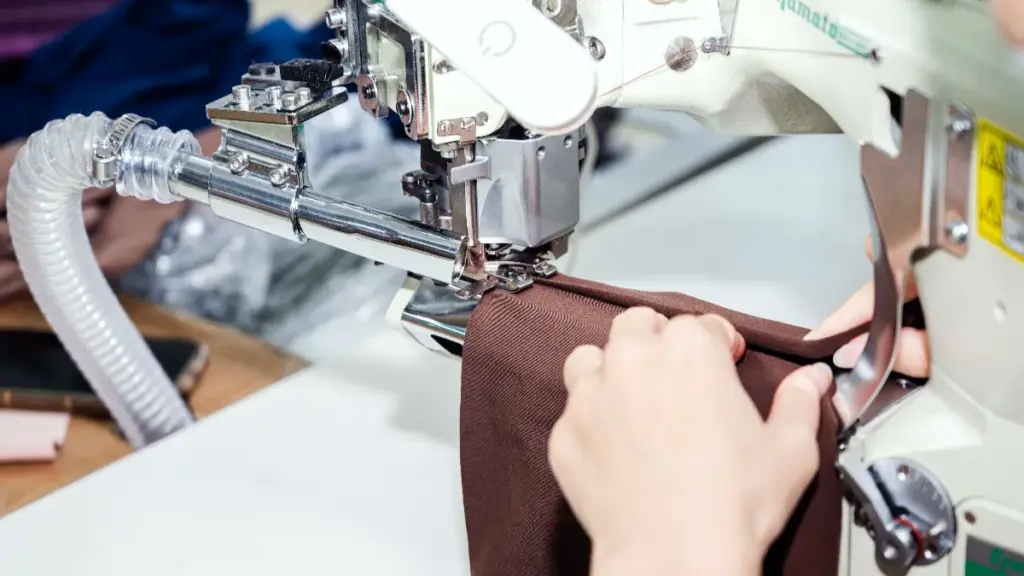
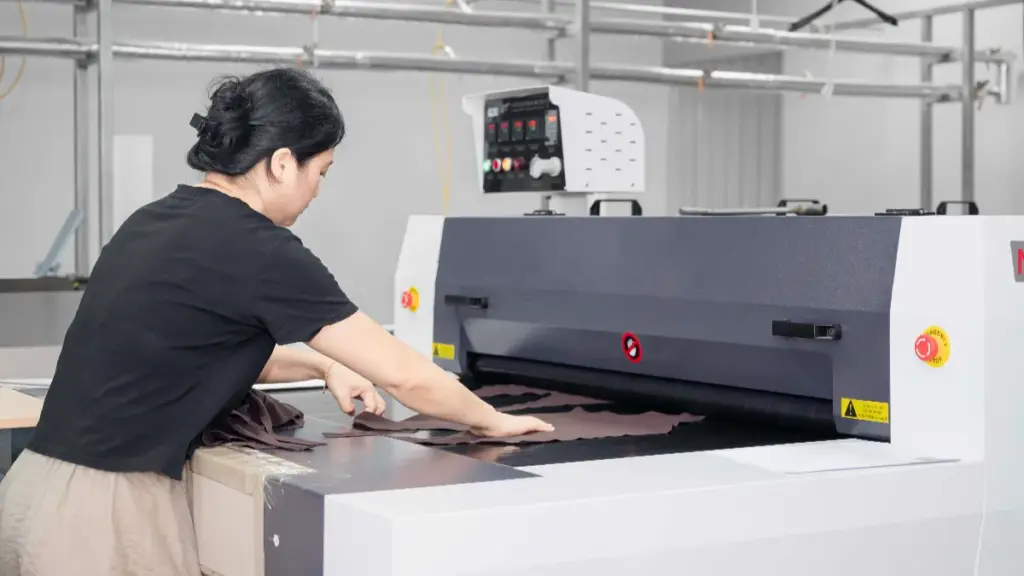
activewear manufacturing process

Supply chain structure is not just an operational decision — it directly defines brand scalability.

The most successful brands are not the ones that keep a single manufacturing philosophy at all costs, but those that understand:

  • what must remain fixed to protect brand equity
  • what can be optimized to improve competitiveness

A manufacturing partner’s role is to help define that boundary clearly and execute it without compromising product integrity.

Why Brands Work with 산산스포츠

Sansan Sports supports apparel brands with:

  • Dual sourcing supply chain strategies (USA / Asia hybrid models)
  • OEM activewear production optimization
  • Fabric replication and development for existing brands
  • Cost structure optimization without brand repositioning loss
  • Scalable manufacturing for premium DTC brands

바바라 웡

SANSANSUN Sports의 공동 창립자이자 비즈니스 리더, 성장하는 글로벌 브랜드와 파트너십을 맺은 디자인 중심의 액티브웨어 제조업체.


지난 10년 동안, 저는 창업자들과 긴밀하게 협력해왔습니다, 디자이너, 유럽 ​​전역의 제품 팀, 미국, 중동—아이디어를 확장 가능한 컬렉션으로 전환하도록 지원. 내 초점은 생산에만 국한되지 않습니다., 장기적인 브랜드 성장을 지원하는 반복 가능한 제품 시스템 구축에 중점을 두고 있습니다..


좋은 운동복은 트렌드나 가격에 따라 만들어지지 않는다고 생각합니다, 하지만 원단의 정렬에 따라, 기능, 그리고 사용자 경험. MDMD 시스템을 통해 (소재-디자인-제조-배송), 우리는 브랜드가 개발 위험을 줄일 수 있도록 돕습니다., 일관성을 향상하다, 자신감을 가지고 더 빠르게 움직이세요.


이 블로그에서, 공장 현장에서 얻은 통찰력을 공유합니다, 실제 고객사례, 제품 개발에 대한 실질적인 사고와, 패브릭 전략, 액티브웨어 산업의 확장 과제.

연락하기

인기 블로그

It seems we can't find what you're looking for.

다음 베스트셀러 컬렉션 출시 준비 완료?

디자인을 제공하는 파트너와 협력하세요, 속도, 신뢰성을 함께. 우리가 도와줬어요 200+ 성장하는 브랜드의 출시 속도가 빨라짐, 더 스마트하게 확장, 시장에서 승리하세요. 다음은 당신이 될 수도 있어요.