Производитель спортивной одежды · Стратегия двойного снабжения · Оптимизация затрат · OEM-производство спортивной одежды · США + Азиатская цепочка поставок
Снимок роста
Отправная точка
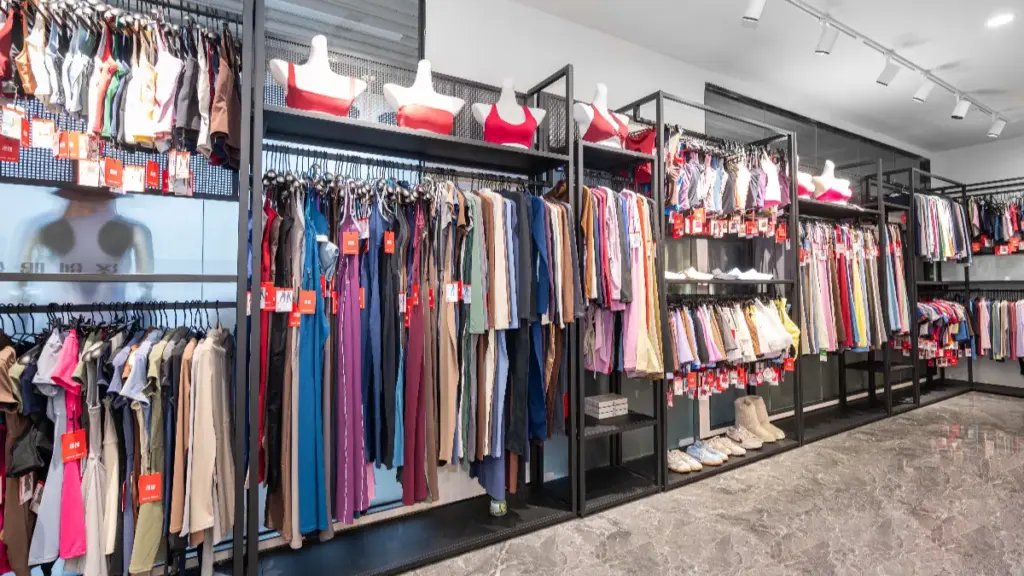
Этот бренд потратил годы на выстраивание своего позиционирования вокруг модели отечественного производства в Лос-Анджелесе..
«Сделано в США» не было маркетинговым аспектом — оно было частью фирменного стиля и структуры ценообразования..
Однако, через некоторое время, структура затрат создала давление:
- Затраты на внутреннее производство были значительно выше, чем у зарубежных альтернатив.
- На рынок вышли новые конкуренты с визуально схожими продуктами по гораздо более низким розничным ценам.
- Выручка начала снижаться, поскольку чувствительные к цене клиенты ушли.
Проблема больше не заключалась в качестве продукции.. Это была структурная маржа конкурентоспособности..
Производственные проблемы
1. Давление на прибыль без ущерба для бренда
Любое изменение географии производства могло быть воспринято как понижение рейтинга..
Для премиального бренда спортивной одежды, даже изменения в восприятии могут повлиять на удержание клиентов и поведение при перепродаже..
Переход необходим для сохранения:
- Стабильность качества продукции
- Доверие клиентов к основным SKU
- Позиционирование бренда в премиум-сегменте
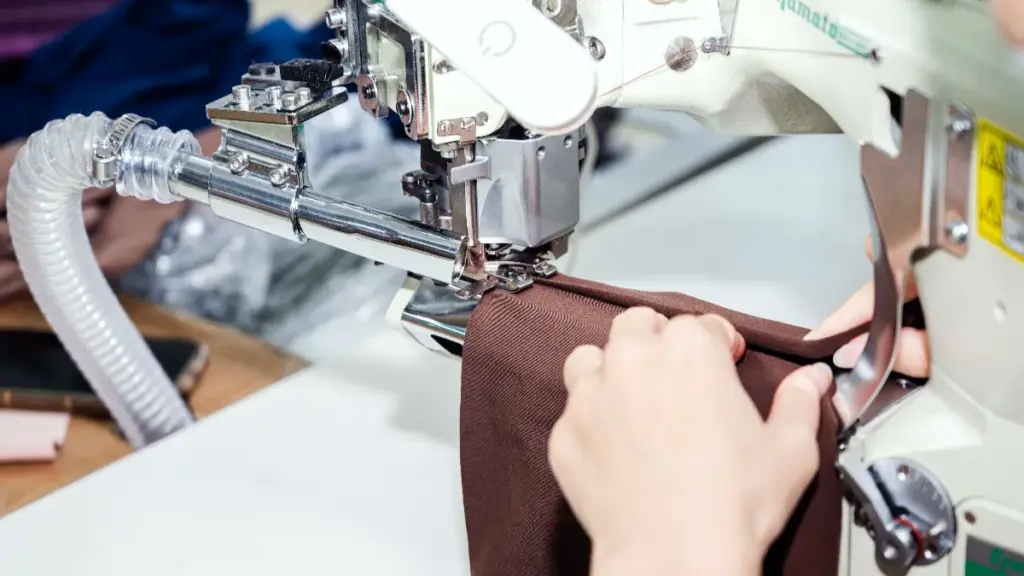
2. Репликация фирменной тканевой системы
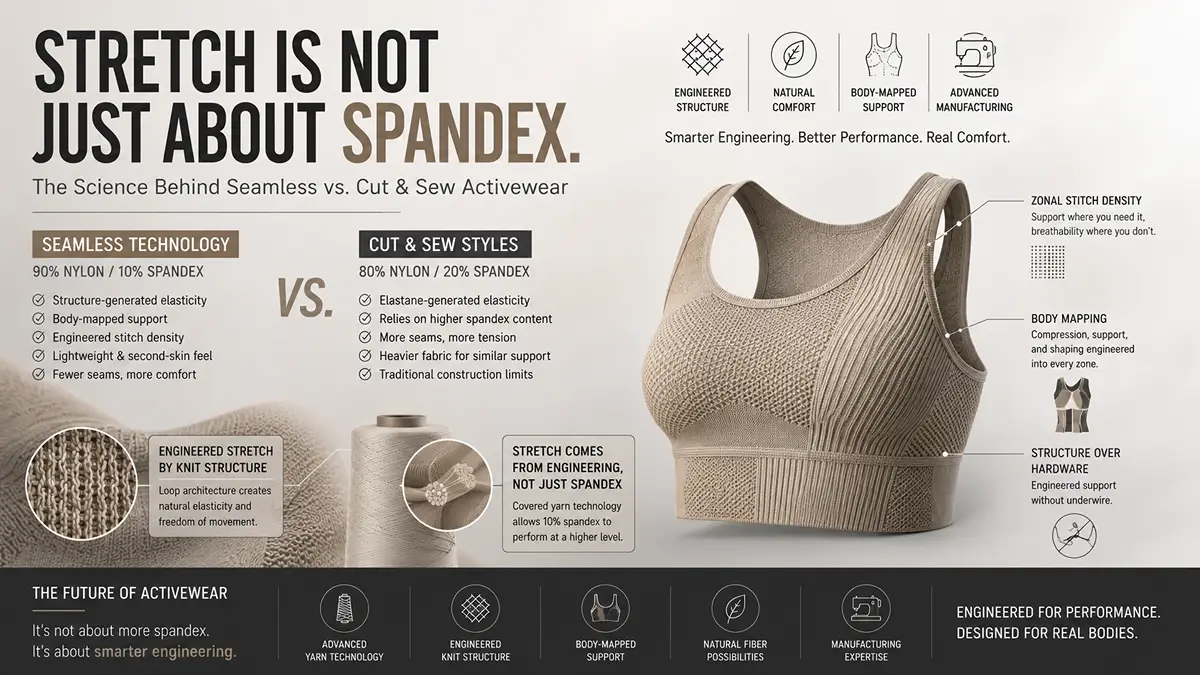
Фирменная смесь тканей бренда. (нейлон / полипро / комбинация спандекса) был центральным элементом его производительности.
Требуется воспроизвести это за пределами исходной внутренней базы поставок.:
- Несколько итераций разработки ткани
- Тестирование на сжатие, поведение влаги, и восстановление растяжки
- Проверка соответствия существующим критериям продукта
Это была не задача по поиску поставщиков, а работа по проектированию тканей..
3. Приоритизация SKU при ограниченных возможностях перехода
Не все линейки продуктов могут быть переведены одновременно.
Нам пришлось расставить приоритеты:
- Большие объемы SKU снижают доходы
- Категории низкого риска для ранней миграции
- Продукты с минимальной чувствительностью к дизайну со стороны клиентов
Это обеспечило раннее начало восстановления рентабельности и одновременно защитило восприятие основного бренда..
Что мы построили вместе
1. Двойная структура цепочки поставок
Мы внедрили двухуровневую модель производства:
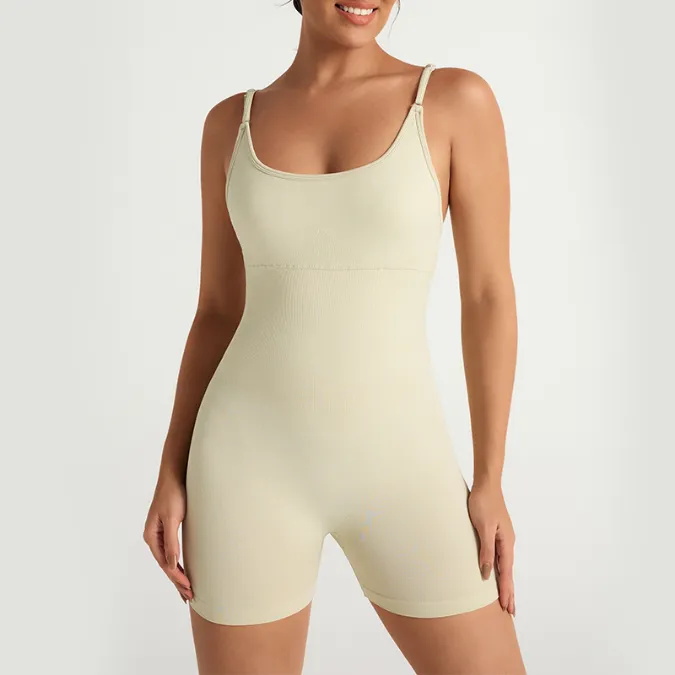
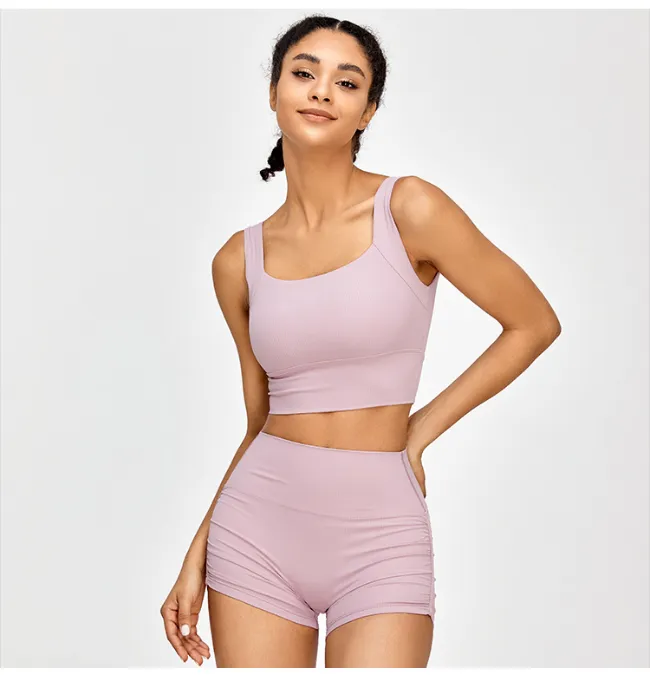
- Отечественное производство (США): фирменные леггинсы, требующие особого технического позиционирования
- OEM-производство в Азии: новые категории, включая одежду для отдыха, плавать, и аксессуары
Это позволило бренду сохранить свою индивидуальность, одновременно улучшив структуру затрат..
2. Репозиционирование продукта без размывания бренда
Во избежание конфликта с позиционированием «Сделано в США», мы скорректировали стратегию маркировки:
- Переход от обмена сообщениями на основе источника
- Для обмена сообщениями о ценности продукта (дизайн + фокус на производительности)
Это уменьшило трения со стороны клиентов при сохранении прозрачности..
3. Стратегия поэтапной миграции SKU
Мы внедрили производственные изменения на контролируемых этапах:
- Фаза 1: непрофильные SKU перемещаются первыми
- Фаза 2: повторяющиеся продукты в больших объемах, оптимизированные для экономической эффективности
- Фаза 3: оценка остальных товаров, предназначенных только для внутреннего использования
Это свело к минимуму сбои и одновременно обеспечило максимальное раннее восстановление прибыли..
Результаты
- +18 увеличение валовой прибыли на процентные пункты по переведенным SKU
- После перехода жалоб на качество не поступало
- Улучшенный денежный поток позволил расширить приложение + oптовый каналы
Ключевой вывод
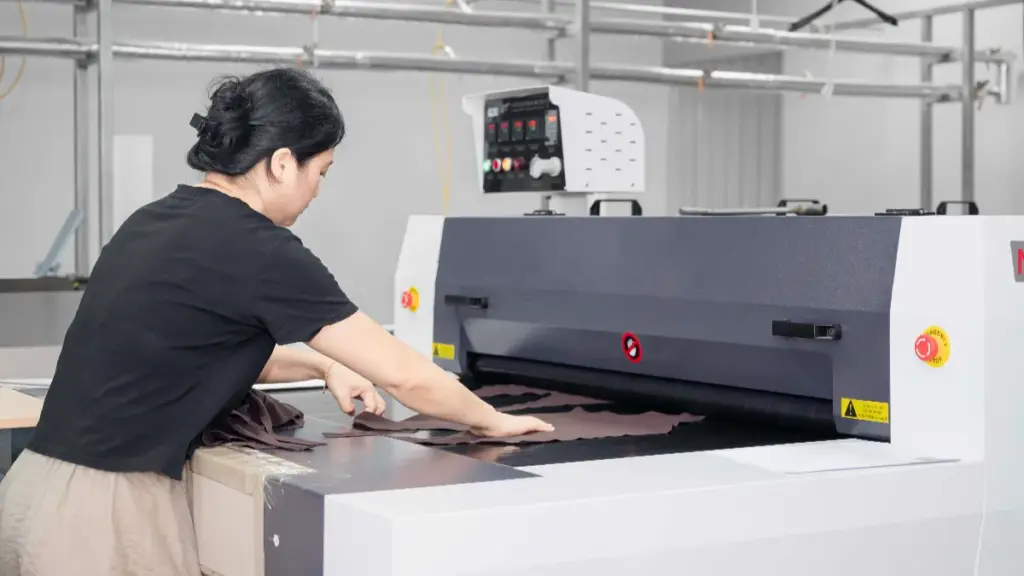
Структура цепочки поставок — это не просто операционное решение — она напрямую определяет масштабируемость бренда..
Самые успешные бренды – это не те, которые любой ценой придерживаются единой производственной философии., но те, кто понимает:
- что должно оставаться неизменным, чтобы защитить капитал бренда
- что можно оптимизировать для повышения конкурентоспособности
Роль партнера-производителя состоит в том, чтобы помочь четко определить эти границы и соблюдать их без ущерба для целостности продукта..
Почему бренды работают с Сансан Спорт
Sansan Sports поддерживает бренды одежды:
- Стратегии цепочки поставок двойного снабжения (США / Азиатские гибридные модели)
- OEM производство спортивной одежды оптимизация
- Тиражирование и разработка тканей для существующих брендов
- Оптимизация структуры затрат без потерь при репозиционировании бренда
- Масштабируемое производство для премиальных брендов DTC