As an activewear brand grows, the challenges change. It is no longer just about placing a first order. It is about keeping quality steady, protecting profit, and handling bigger orders without losing control. Many growing brands think the answer is simply spending more, on bigger factories, more staff, or pricier fabric for everything. But after working with brands growing from a few hundred units to tens of thousands, we see a different pattern. The brands that scale well make smarter choices, not just bigger ones. This article covers eight areas where better decisions protect quality and profit as your brand grows.
1. Quantity Planning
At bigger volumes, quantity planning is about getting your numbers right, not just avoiding running out of stock. Ordering based on guesswork often leads to too much of the slow styles and not enough of the bestsellers. Growing brands do better when they plan production in clear stages, based on real sales data and the season ahead. A factory used to working with bigger brands can help you build a production schedule that keeps your cash flow and stock levels balanced as your orders grow.
2. Logo Placement
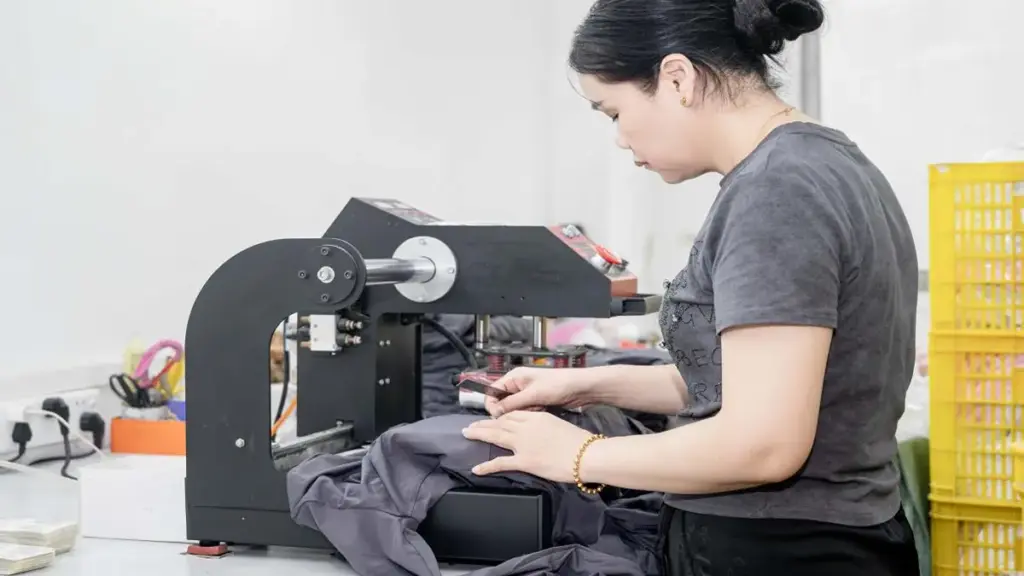
At higher volumes, keeping the logo in exactly the same spot on every item becomes a real quality issue. A placement that looks fine on one sample can shift slightly once you are making thousands of pieces. Growing brands need clear, written placement rules that stay the same every time, whether it is your first 500 units or your fifteenth reorder. These rules should live in your professional tech pack, which keeps every logo position, measurement, and tolerance on record for every reorder. This kind of consistency is what earns trust with retail buyers and wholesale partners.
3. Fabric Selection
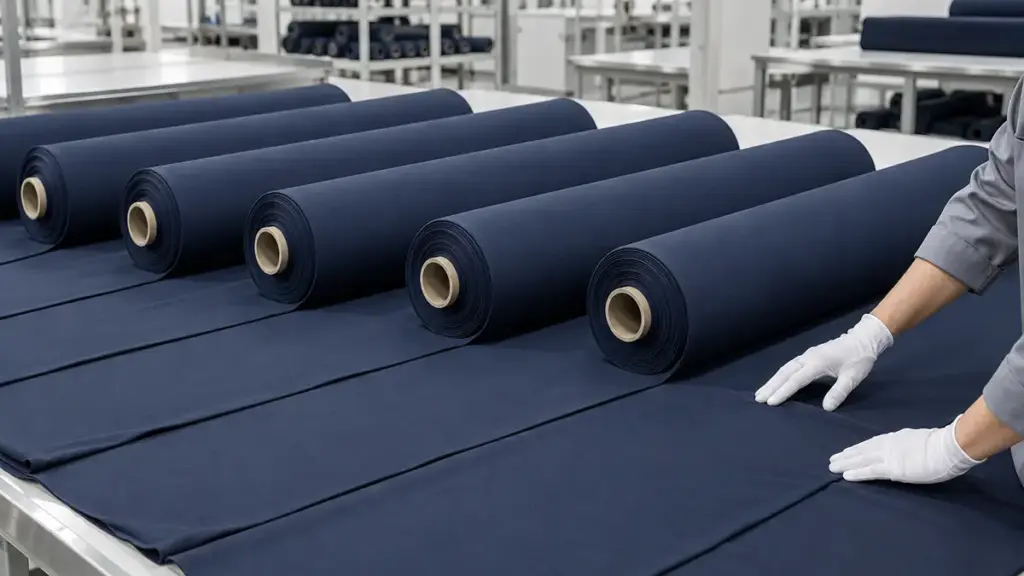
For growing brands, fabric choices are not just about how it feels and how much it costs. They are about whether you can get the same fabric, in the same quality, every single time. A fabric that works well in a small batch can be harder to source consistently once your orders get bigger. Growing brands need a fabric partner who can guarantee the same color, stretch, and quality on every large order, not just the first one. This is where a factory that controls its own fabric sourcing really helps.
4. Sizing Guidance
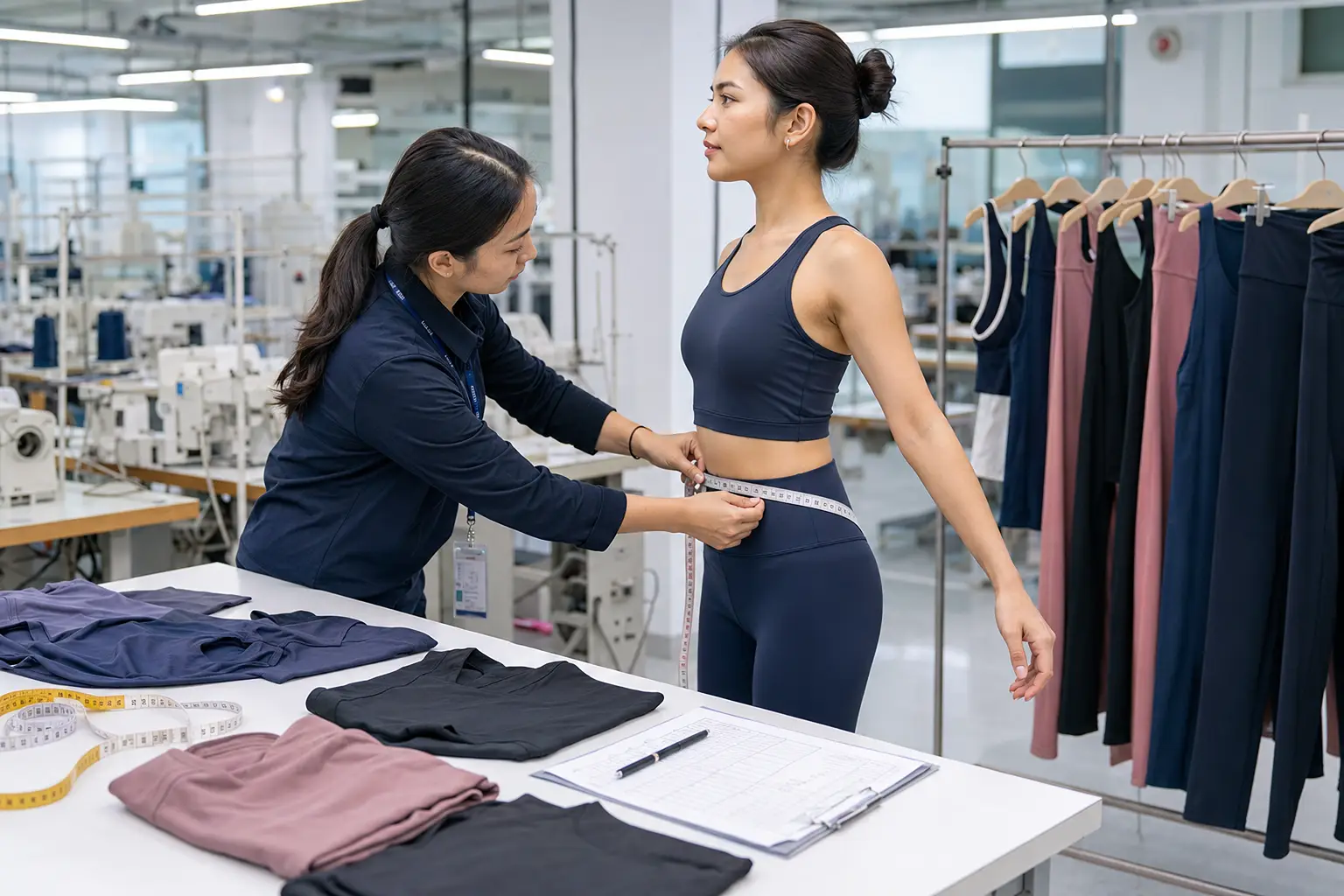
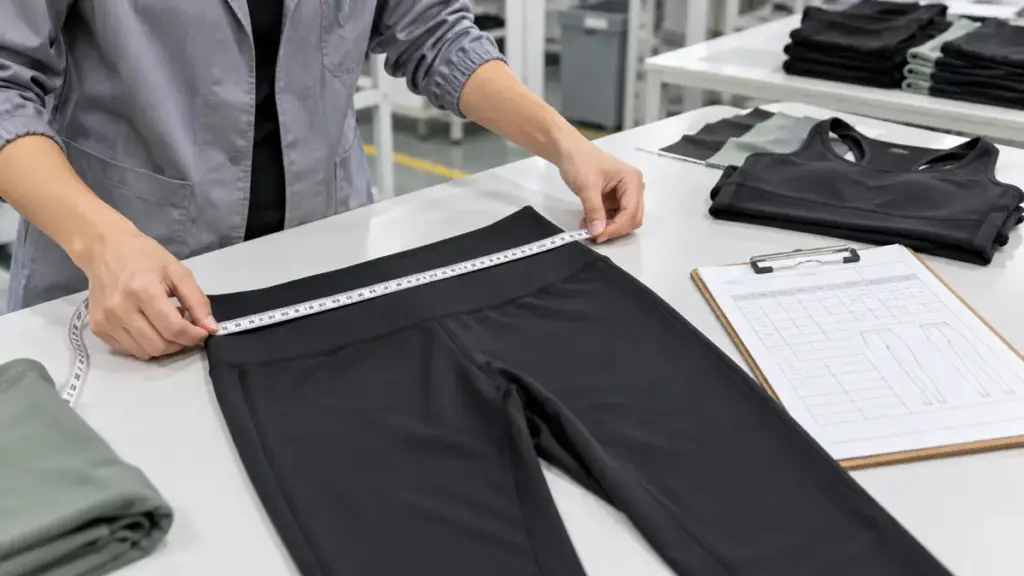
As a brand grows into new markets or retail stores, keeping sizes consistent becomes a bigger issue. A small sizing mistake on a small order is a minor cost. The same mistake on a large order can mean thousands of pieces that do not fit right. Growing brands need a factory that follows strict, written sizing rules across every size and every reorder, so the fit stays the same no matter how big the order gets. See how we handled this in practice: solving a real sizing nightmare in a loungewear order.
5. Design Simplification
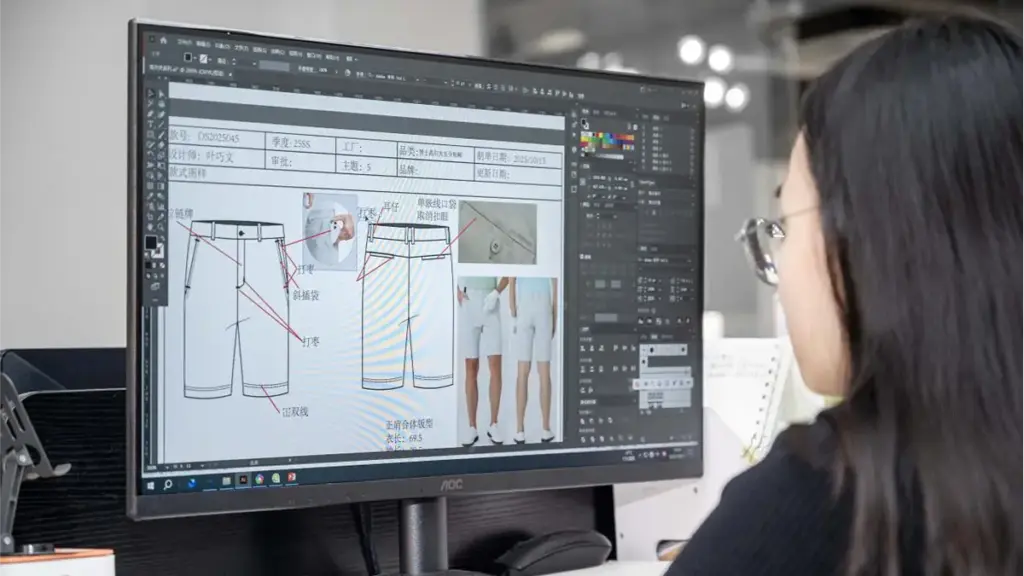
Keeping designs simple is a way to grow smoothly, not just a way to save money. Fewer unnecessary style changes mean faster production, easier quality checks, and simpler stock management as your product range grows. Many successful brands choose to keep a few proven, best-selling styles as their core, and save more complex designs for smaller seasonal drops.
6. Color Strategy
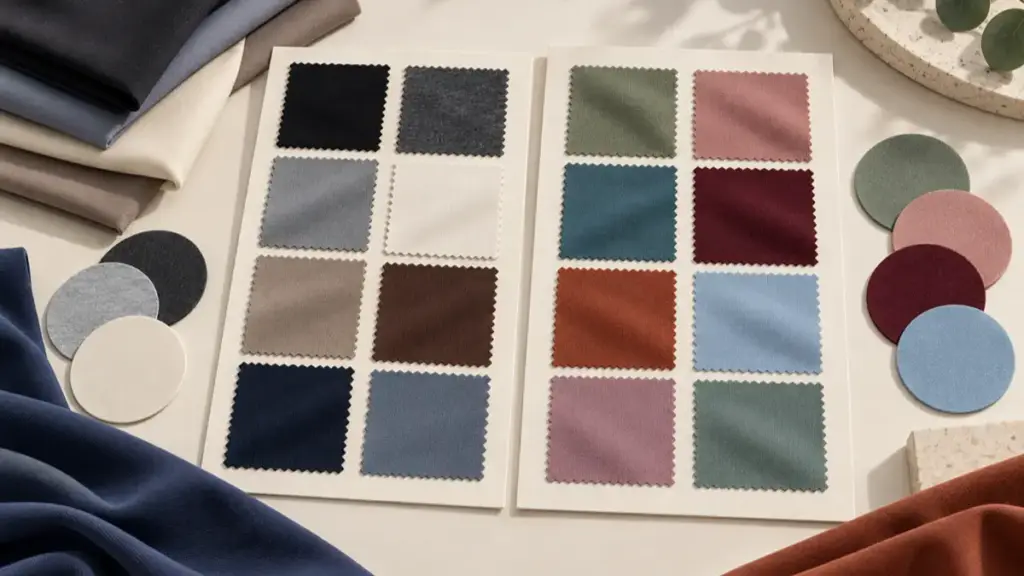
At scale, color choices affect your supply chain as much as your branding. Getting the same color right on every large, repeated order takes careful checking and approval at each step. Growing brands do better with a small set of core colors that can be reproduced reliably season after season, plus a few seasonal colors that do not put too much pressure on fabric sourcing.
7. Packaging Advice
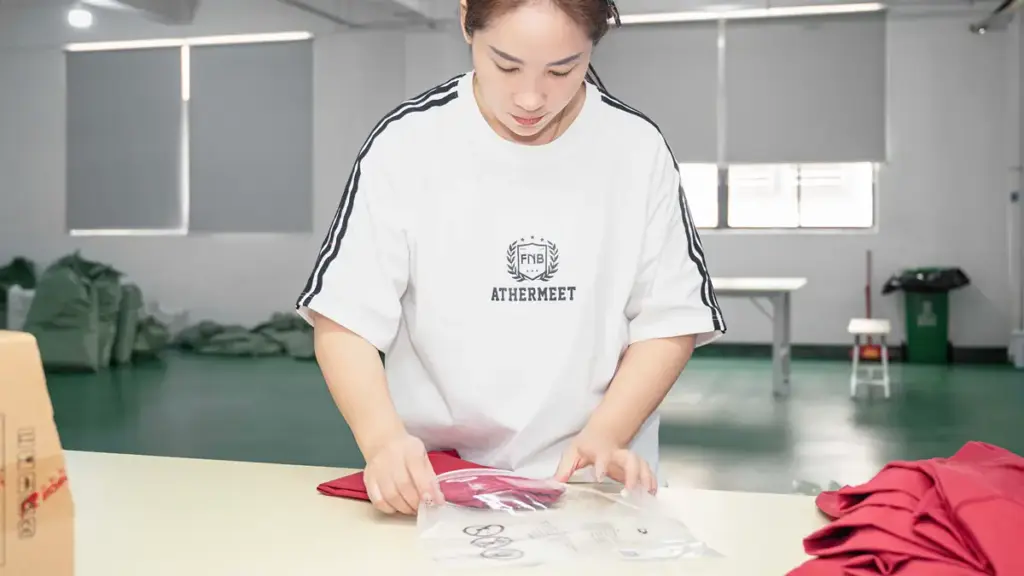
For brands selling through retail or wholesale, packaging is part of daily operations, not just a nice unboxing. It needs to protect the product, be easy to store and ship, and meet what your retail partners expect. Growing brands need packaging that stays consistent and affordable as order sizes grow, without needing a redesign every time.
8. Production Technique Recommendations
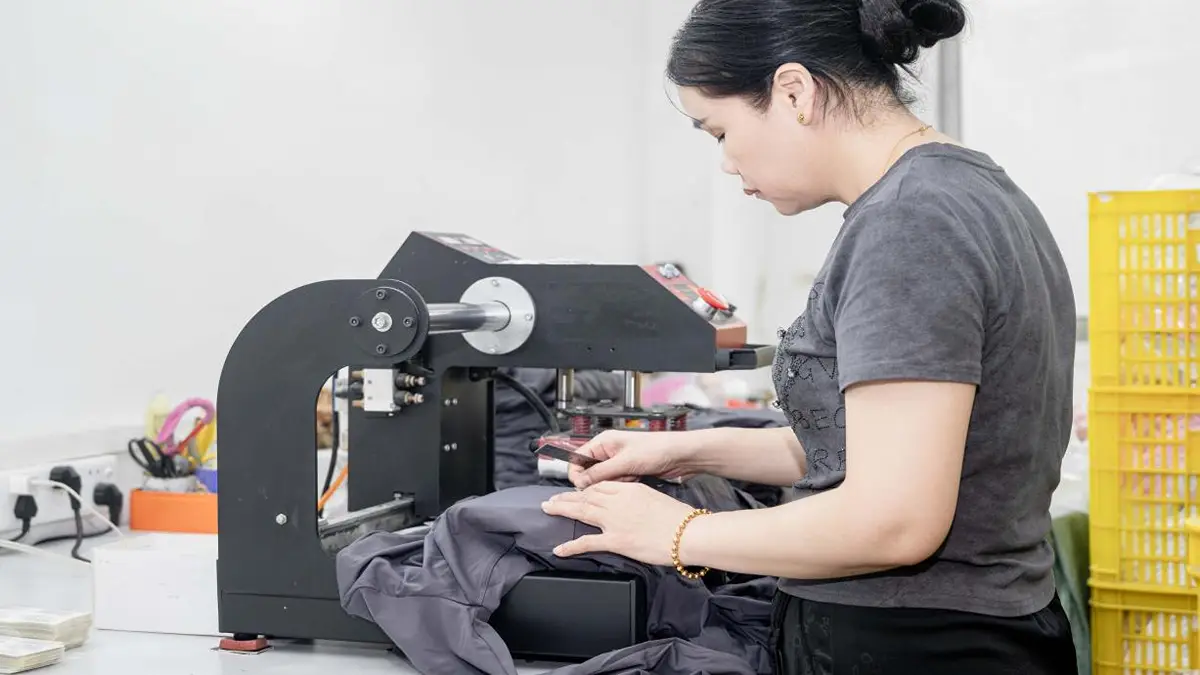
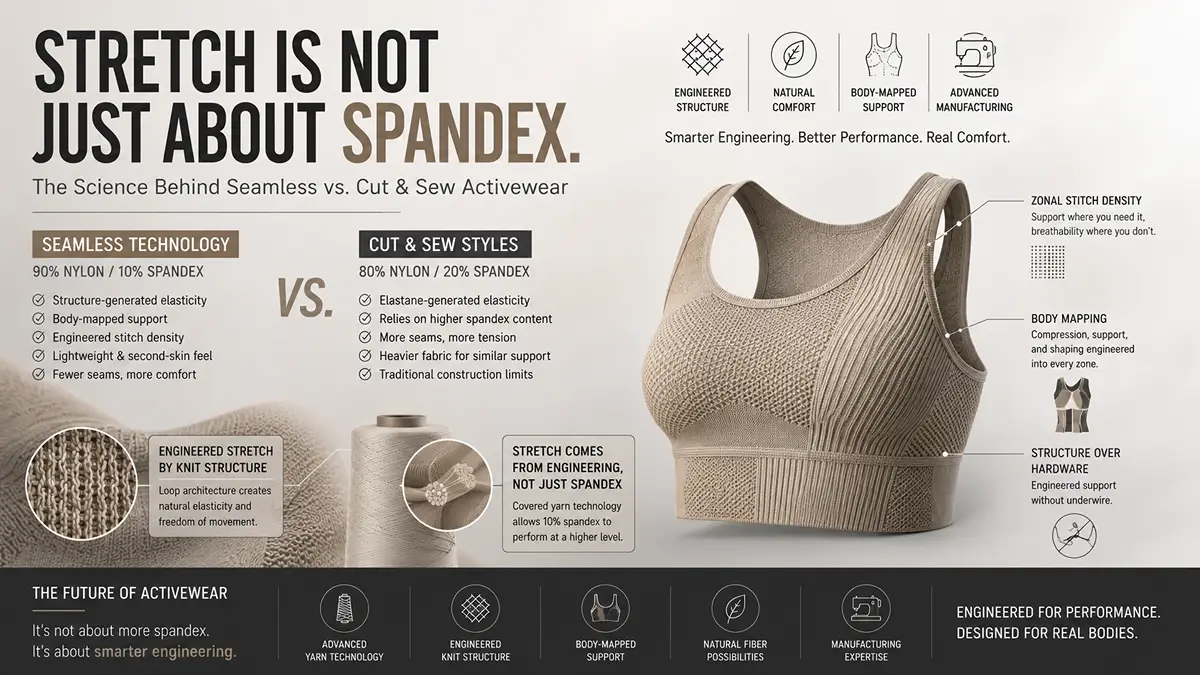
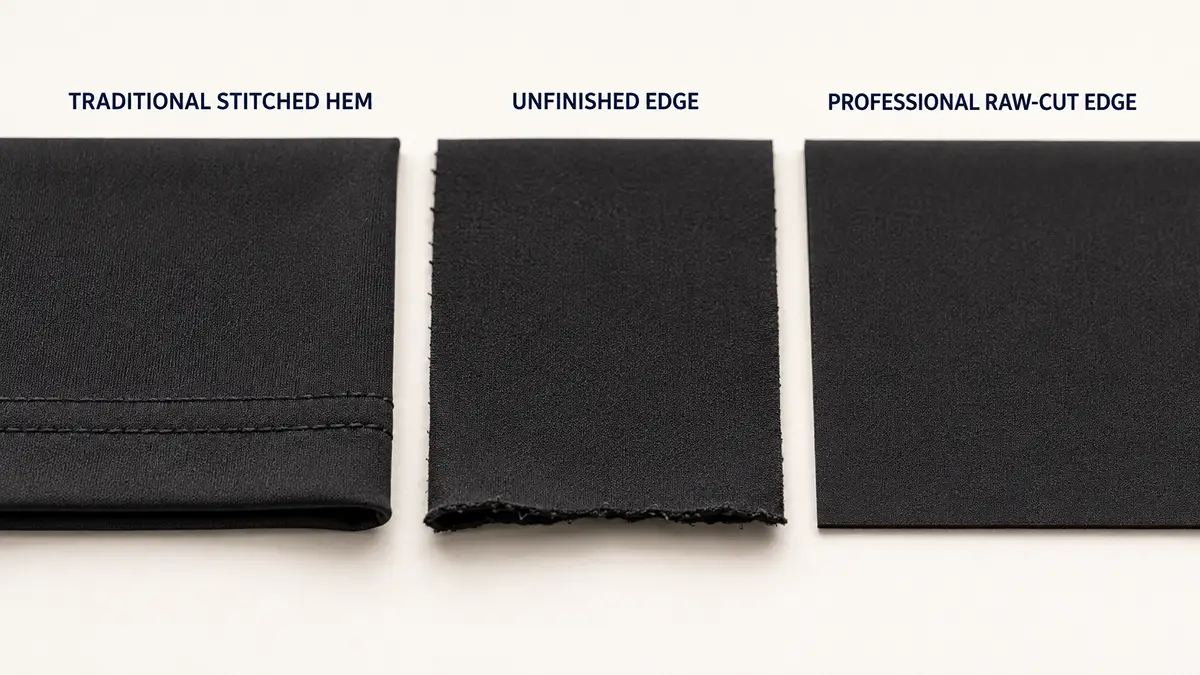
As production grows, the methods that worked for a small batch need to hold up across much bigger runs. Seams, stretch, and stitching all need tighter control at scale, where even small mistakes multiply across thousands of pieces. A factory with strong quality checks and experienced staff on the production line can keep the same standard whether the order is 1,000 units or 50,000.
Manufacturing Is Not Just About Making Clothes
For a growing brand, a manufacturing partner needs to do more than just produce clothes. It needs to help with planning, keep quality steady across large orders, and catch problems early before they turn into costly mistakes. As a factory offering OEM, ODM, and MDMD services, we work closely with growing and established brands to build the kind of process that supports real growth, not just bigger order sheets.
Frequently Asked Questions
How is manufacturing different for a growing brand compared to a startup?
Growing brands need steady quality and control across large, repeated orders, not just one successful first run.
How can a brand keep quality consistent at higher volumes?
By using clear, written rules for fit, color, and stitching, and working with a factory that keeps strict quality checks at every stage.
Does a bigger order always mean a lower cost per piece?
Not always. Lower cost at scale depends on steady processes and reliable supply, not just order size.
What does MDMD manufacturing offer growing brands?
MDMD support helps brands manage fabric sourcing, design, production, and delivery together, which becomes more valuable as things get more complex with growth.
Conclusion
Scaling an activewear brand is not just about placing bigger orders. It is about building the habits, consistency, and quality checks that let you grow without losing profit or your customers’ trust. At SANSANSUN Sports, we support growing and established brands with the kind of steady process that helps them scale with confidence, from planning and fabric sourcing through to final production. The right manufacturing partner turns growth from a risk into a real advantage.